In April 2026, the Scottish Invasive Species Initiative expanded south to cover the Earn and Eden rivers – here’s what we’ve been up to in the second half of the season tackling Japanese knotweed and American mink!
We’re nearing the end of our first season expanding south to cover the Earn and Eden Rivers in Perthshire and North Fife. After a successful giant hogweed season, we have been kept busy with Japanese knotweed control in August and September. And in amongst all the invasive plant control work, we have also been reinforcing our American mink network on the River Earn (initially started in 2024) and building a trapping network on the River Eden.
Here’s what we’ve been up to in autumn…
Japanese knotweed
River Earn
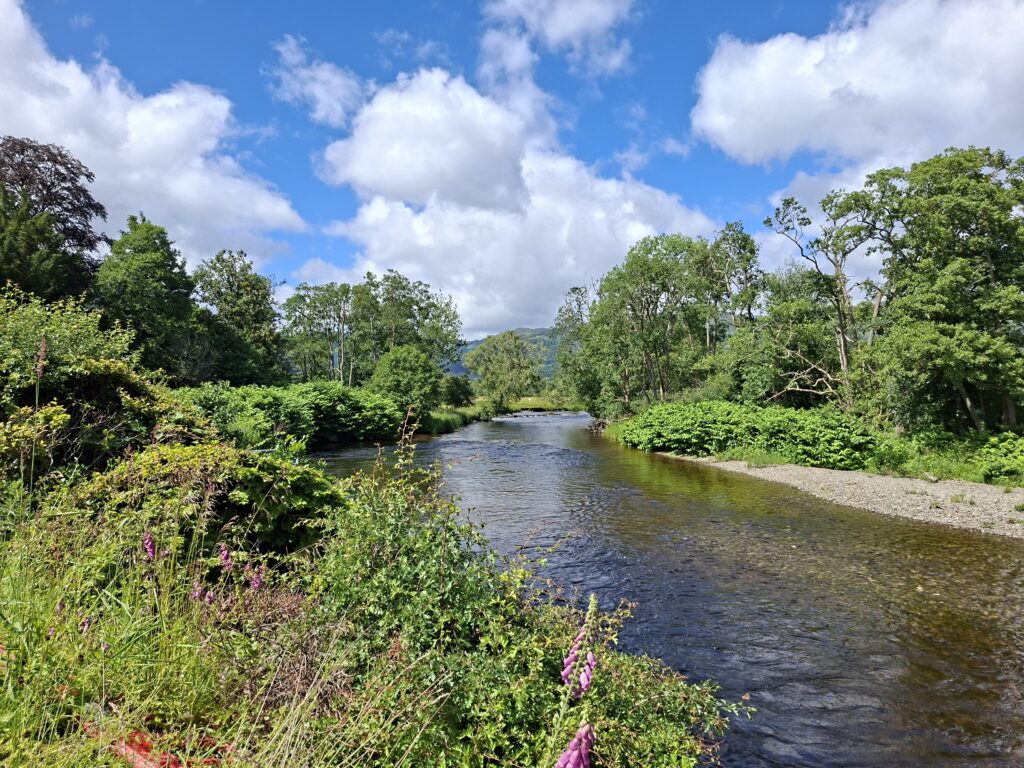
Japanese knotweed is known to be a significant problem on the River Earn, but we still had some investigations to do to confirm the upstream sources and the extent of the infestations. The Tay District Salmon Fisheries Board (TDSFB) carried out surveys in 2019, in the upper catchment between St Fillans and Crieff, but time had passed since then – and it turns out the problem had gotten worse…
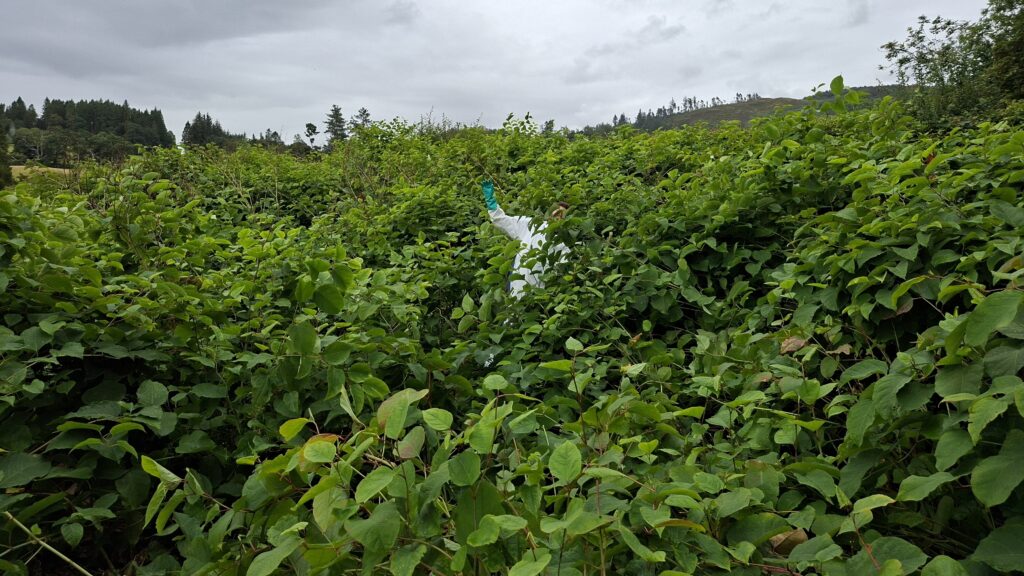
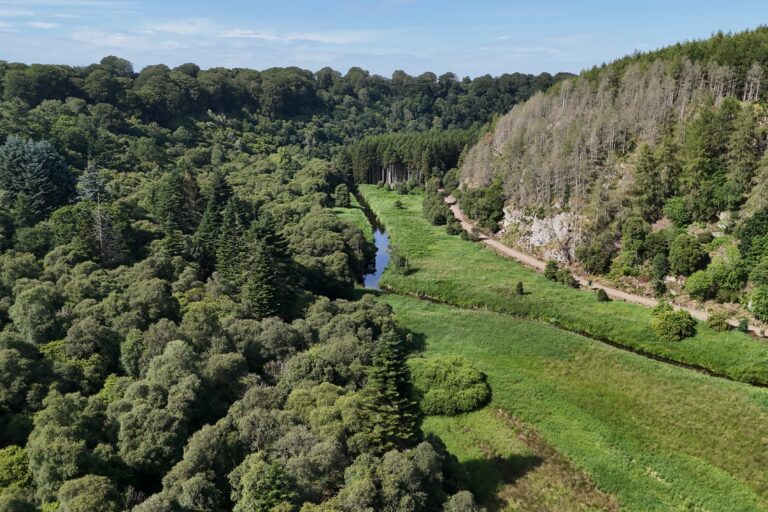
The first thing we established was that Japanese knotweed is present right at the top of the catchment, on tributaries feeding into Loch Earn in the Loch Lomond and the Trossachs National Park. This means the River Earn is in the running for the worst infested river in the project area, with infestations beginning in the headwaters and continuing consistently downstream. Regardless of how extensive the problem is, our strategy remains the same – start at the top and work our way down!
In this case, that meant getting in touch with the Loch Lomond and the Trossachs National Park team to establish a plan for the infestations around Loch Earn. The park team have taken on responsibility for this uppermost section (work has been ongoing for a number of years already) – so our work began at St Fillans.
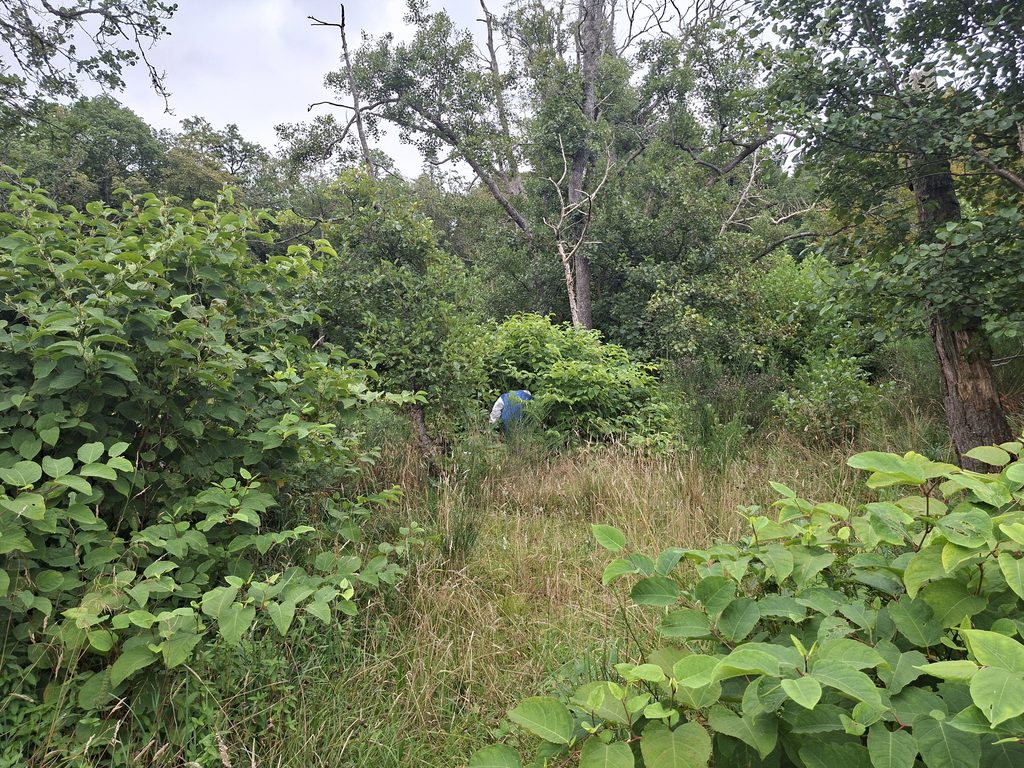
It appears that the infestations have become worse since the surveys in 2019, with knotweed popping up in plenty of interesting places including an old dump, an abandoned fish farm, and a beaver lodge. Despite these delightful new challenges, we were able to make it down to Comrie this year, a challenging section which included a significant infestation on the Water of Ruchill (a tributary which meets the Earn at Comrie). We’re pleased with this progress in our first year, as the infestations were severe and it was slow progress moving downstream.
As we are just getting started on the river, control work was carried out by contractors, the project team, and the Tay DSFB team. Thanks to everyone for their hard work on the river! We’d also like to thank Colin from the Comrie Angling Club and the River Earn Improvement Association, who was incredibly helpful for us to identify the right landowners to approach for access and control permissions.
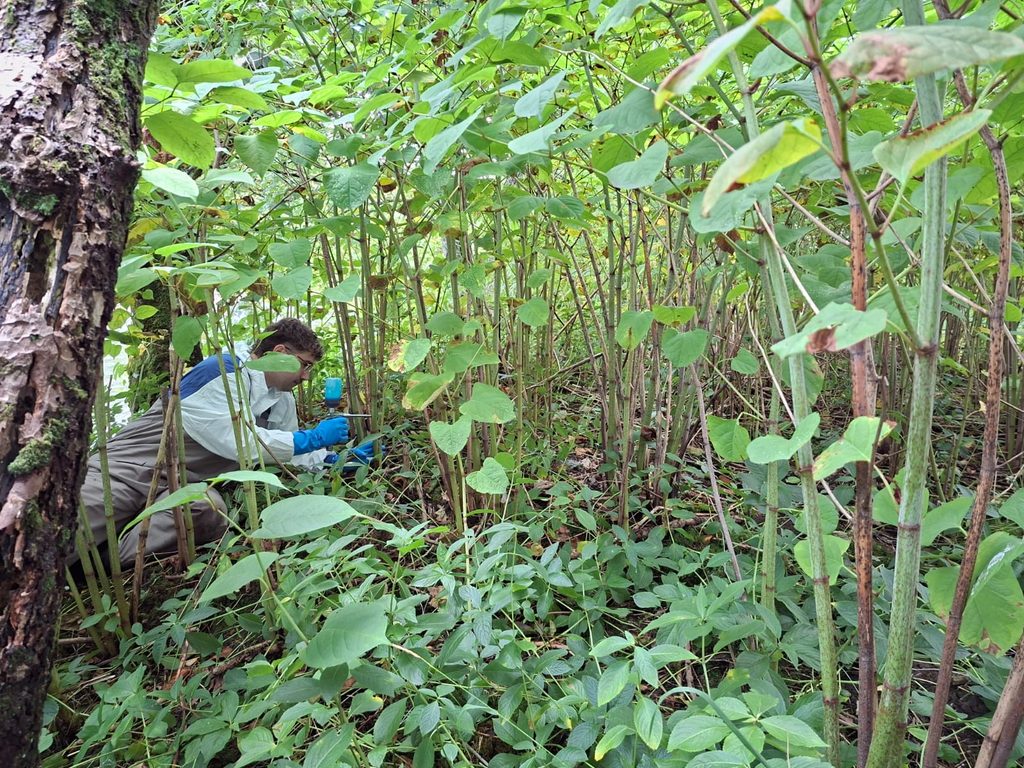
In October and November, once the control season was over, we spent some time surveying Japanese knotweed between Comrie and Crieff, to have a look at what we might take on next year. It is important not to over-extend with annual plant control work, and the infestations are severe in this section, so we will see how we get on in 2027.
River Eden
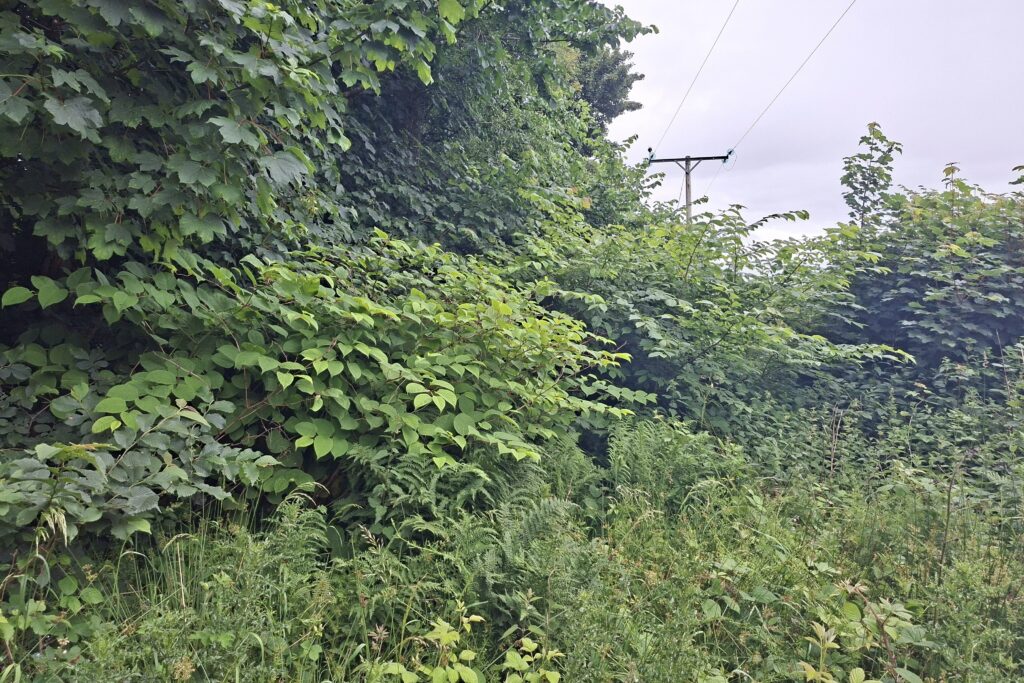
Thankfully, Japanese knotweed is a relatively minor problem on the River Eden in comparison to the Earn! Our main goal this year was to carry out surveys on the tributaries upstream of Springfield and establish the uppermost sources. We found numerous small stands on a few burns and tributaries, as well as the Motray Water, but nothing extensive. We were also able to begin control work on the uppermost source and initiate conversations with local communities to raise awareness of the problem.
All looking good for the Eden – we look forward to tackling these minor infestations next year.
American mink
As we’re nearly at the end of our first season covering South Tayside and mink rafts soon be coming off the water in advance of winter storms. A perfect time for an update on our progress!
River Earn
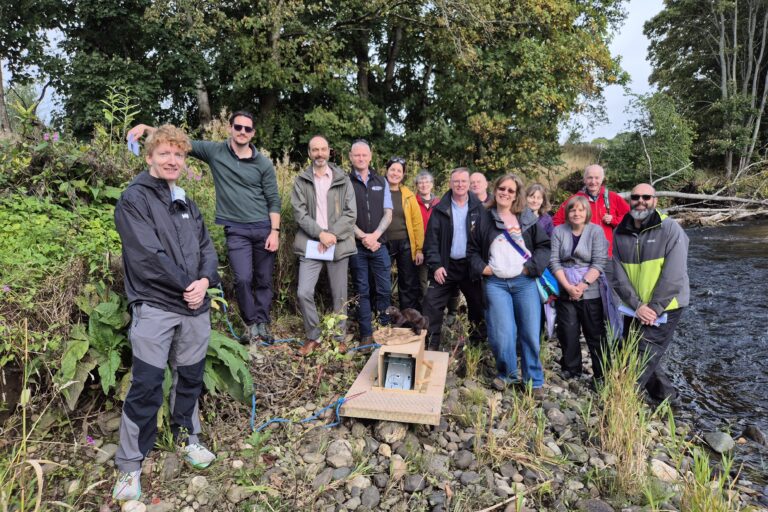
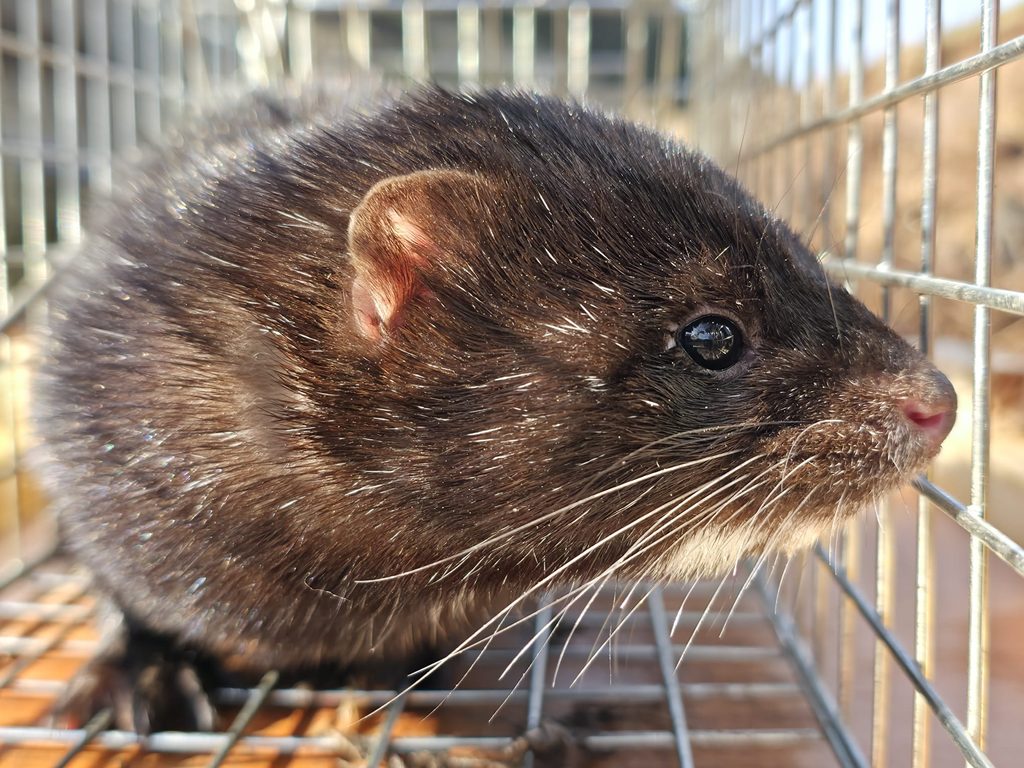
We had a head start on the Earn this year, which has had a moderate network of traps deployed since 2024. When Douglas, Project Officer for South Tayside, started with us in April, he inherited a network of 24 traps and 10 volunteers. At our peak in July, this had increased to 32 traps and 13 volunteers. Working together, this network of dedicated volunteers has captured 29 mink from the Earn alone.
River Eden
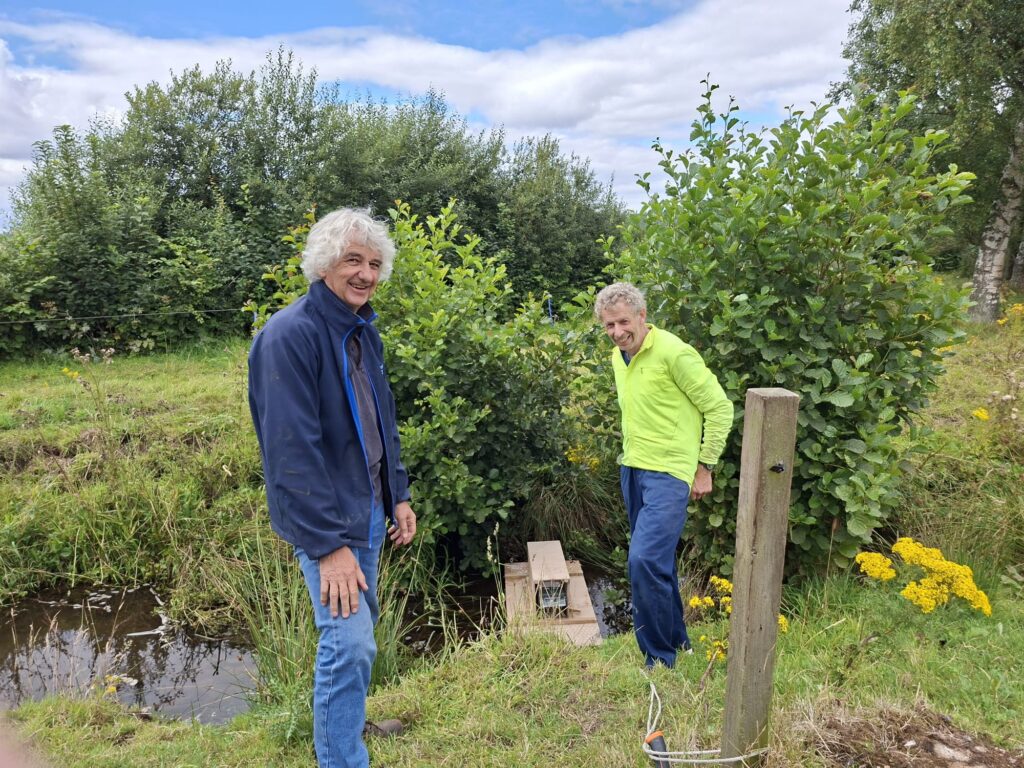
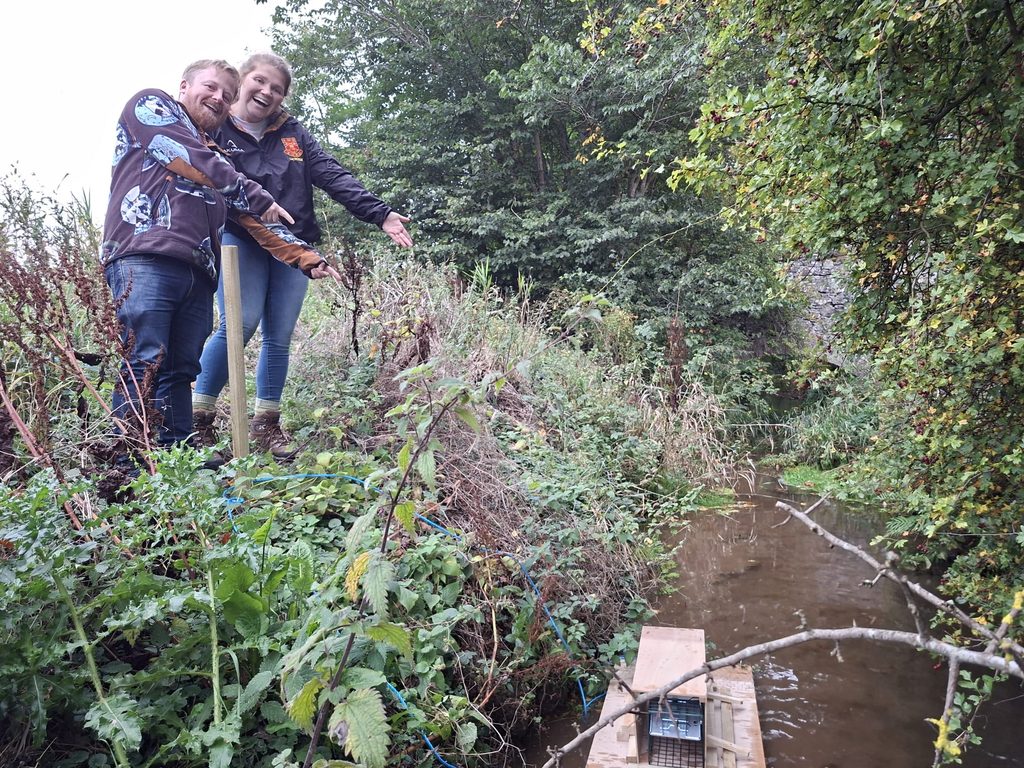
We’ve started from scratch on the Eden this year, but by the end of September we had 15 traps out in the catchment and surrounding water bodies, all monitored by 8 volunteers. This relatively small network captured an impressive 36 mink!
High captures in South Tayside
Altogether this makes 65 mink captures in South Tayside in 2026, which is roughly 25% of total project captures – but the area only has ~7% of our traps! This might seem surprising but it is not unexpected. Captures are higher in this area for a few reasons…
Firstly, there is plenty of good quality habitat for mink in this area, so it is not surprising we’re finding a lot of them about. Secondly, mink populations have not been controlled here before now, so mink densities will be higher than other areas in the project. And finally, South Tayside is a border region for us, which means that mink can migrate in from uncontrolled areas to the west and south.
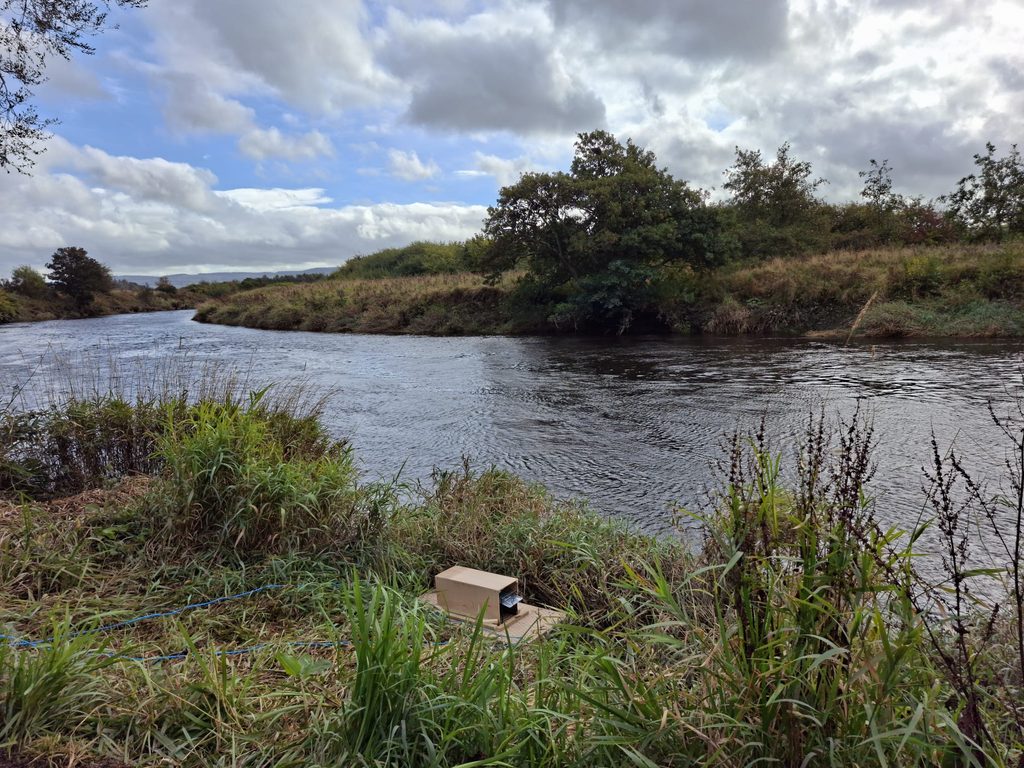
This means that our network in this area is the frontier of mink control in the SISI project, helping to prevent mink moving into central regions in the north-east.
Looking forward
We’ve made a good start on our mink trapping network in South Tayside and are pleased with progress so far – but we are already looking ahead to next year!
Over the winter months, we will be looking to identify more suitable locations and securing landowner permission to trap next season. Mink will be on the move in February and we want to be ready for them. We are particularly keen to target the River Eden catchment, the lower Earn, and along the Tay estuary. Please get in touch if you would like to get involved!
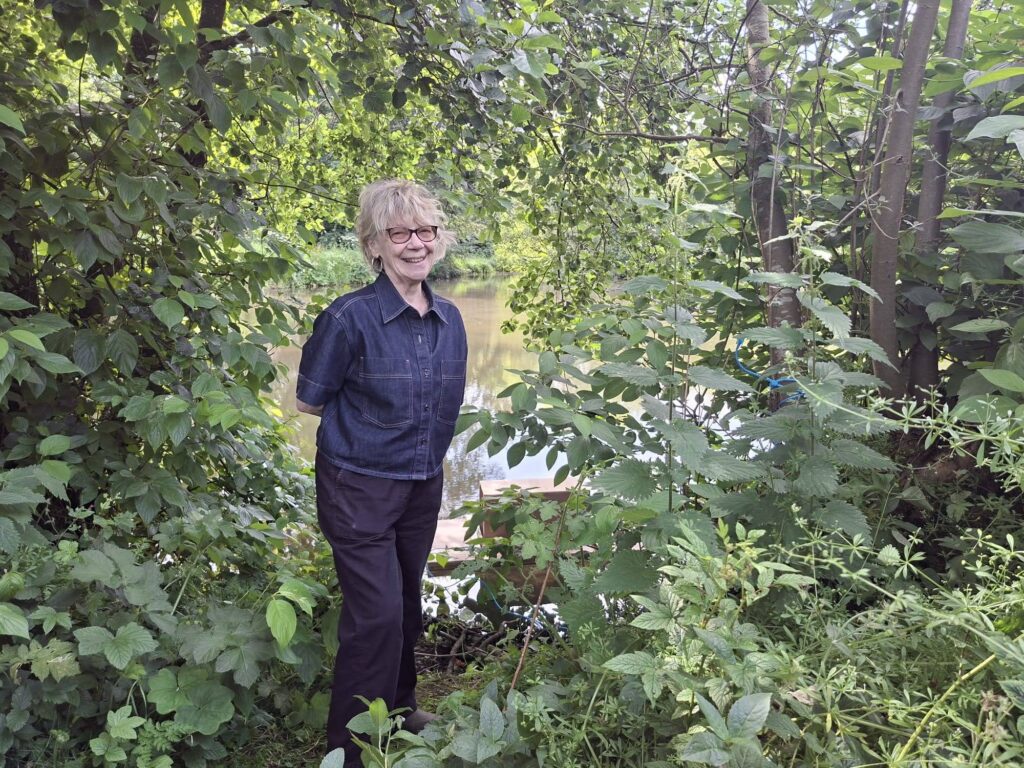
We will be looking for volunteers in South Tayside in 2027 to help with our American mink and invasive plant control projects. Giant hogweed treatment will begin in March/April. Follow the link below to sign up and please get in touch (douglas@tdsfb.org) if you have any questions. Hope to see you next year!