By Rebecca King, Seasonal Project Officer, Scottish Invasive Species Initiative
I’m Rebecca, Seasonal Project Officer with the River Dee Trust, and I’ve been working to control the spread of invasives on the Dee and Don Rivers this summer.
If you’re familiar with the Scottish Invasive Species Initiative, you’ll know that we control and manage a number of invasive species in northern Scotland. But – have you ever wondered what invasive species control looks like in other parts of the world? What species are considered invasive? What impacts do they cause? How are they managed?
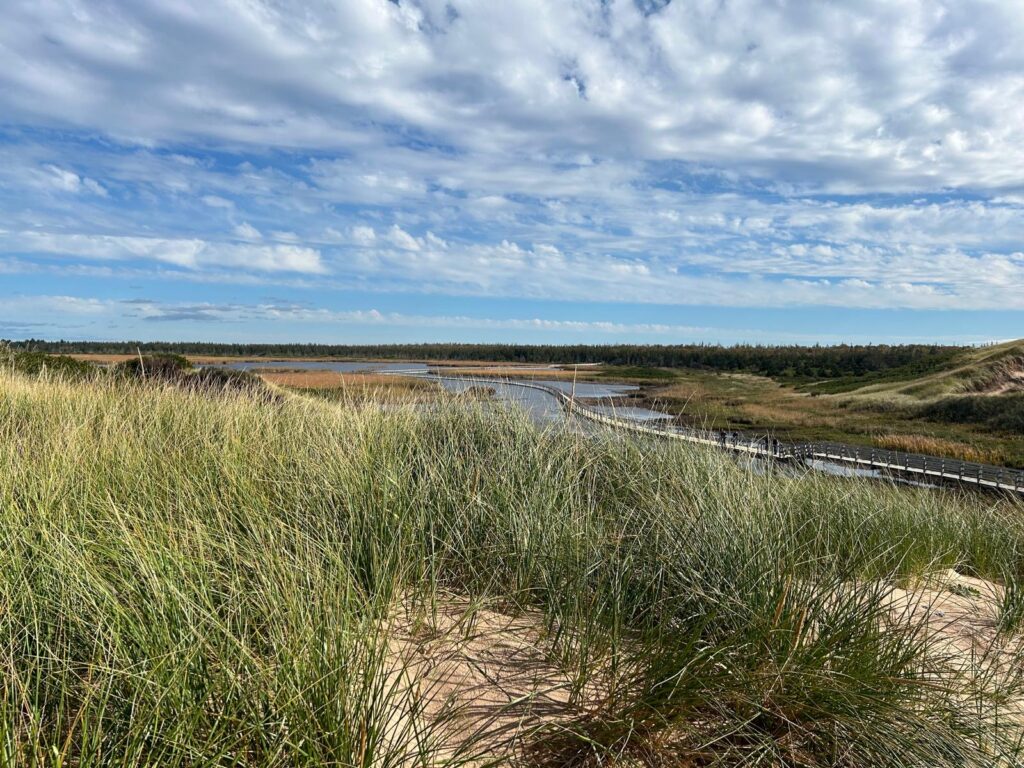
Having recently moved to Scotland from Canada, and having experience tackling invasive species in both countries, I wanted to explore the differences and similarities between invasive species and their control, based on my experiences on both sides of the Atlantic.
It’s important to remember that, just because things may be done differently in different parts of the world, doesn’t mean that one way is wrong and the other is right. A lot of different factors influence how invasive plants are controlled and managed including: local laws and regulations, landowner permissions, what your budget can afford, the type of ecosystem, presence (or absence) of sensitive or endangered species, likelihood of unintended impacts, location and severity of spread, and much, much more.
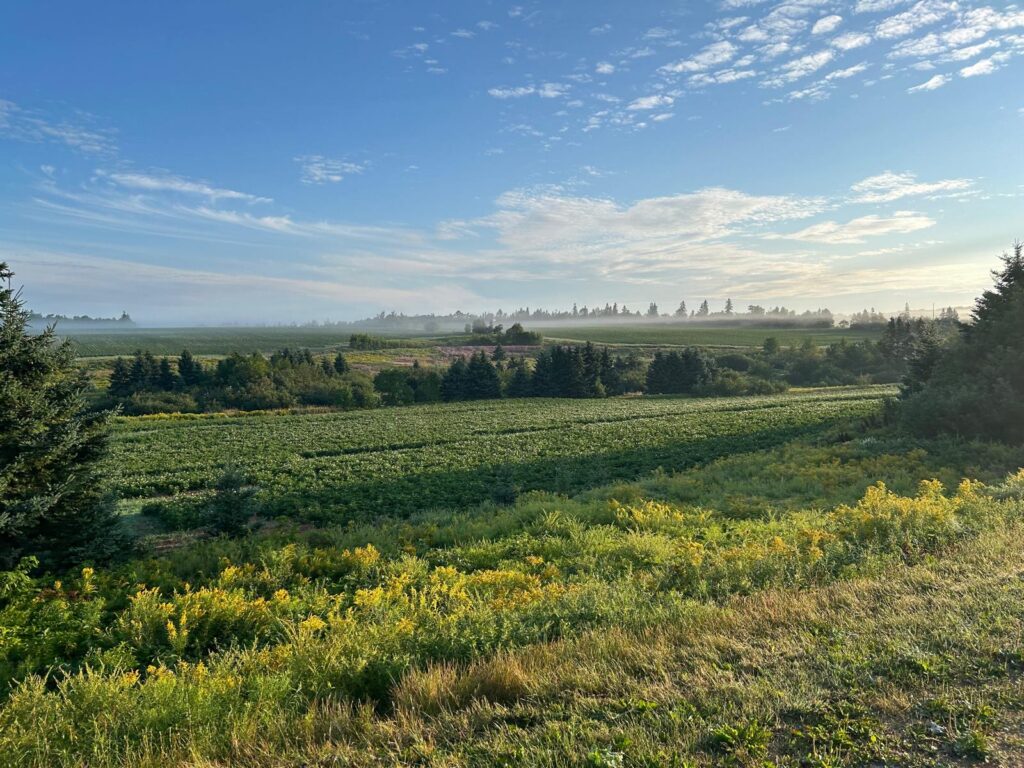
Disclaimer: The information below is based on my personal experiences of working with invasive species in Prince Edward Island, Canada, a few years ago; guidelines and management approaches for invasive species are ever evolving and the approaches used when I was in post may not be applied in the same way today.
The usual suspects
Canada struggles with some of the same invasive species as Scotland – familiar names include giant hogweed, Himalayan balsam, and Japanese knotweed, all of which were originally introduced as ornamental garden plants and eventually spread out of control.
Before joining the Scottish Invasive Species Initiative, I worked with several invasive species on Prince Edward Island (PEI), a small island province on Canada’s east coast. The prevalence of each invasive plant and management techniques will vary nationwide – however, from my personal experiences I can share a snapshot of the similarities and differences I’ve noticed in invasive species control so far.
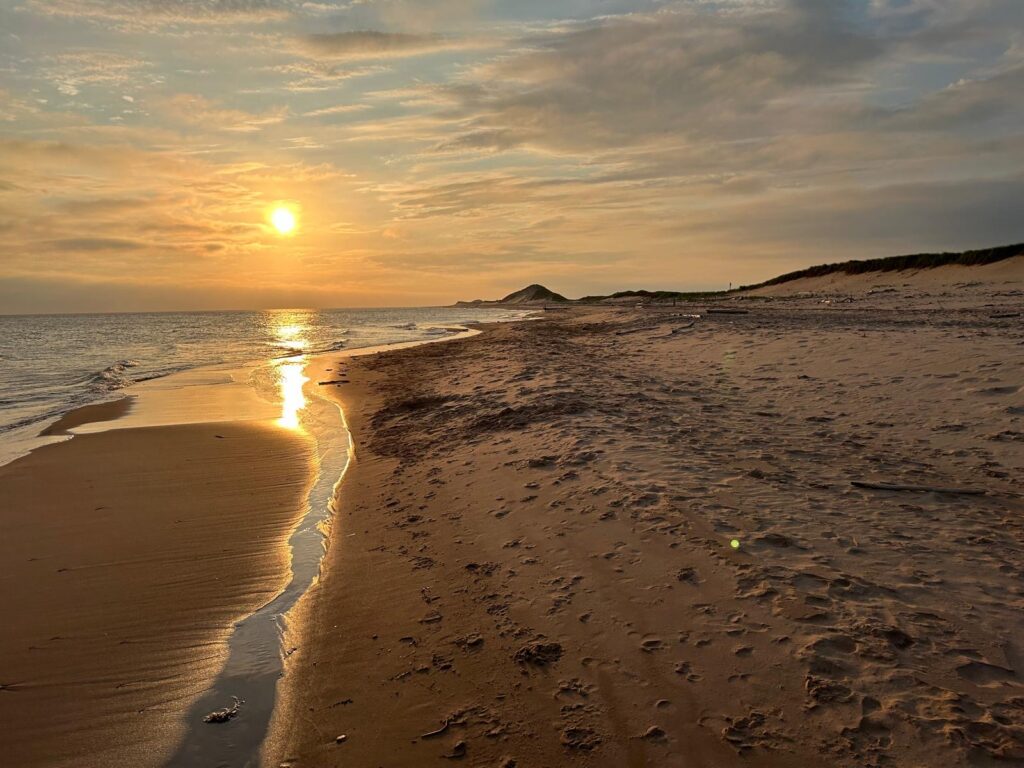
Every watershed on PEI is monitored by a local watershed group; there are 26 watershed groups, all of which can be explored on the PEI Watershed Alliance website. Information and guidance on local invasive species control is administered by the PEI Invasive Species Council.
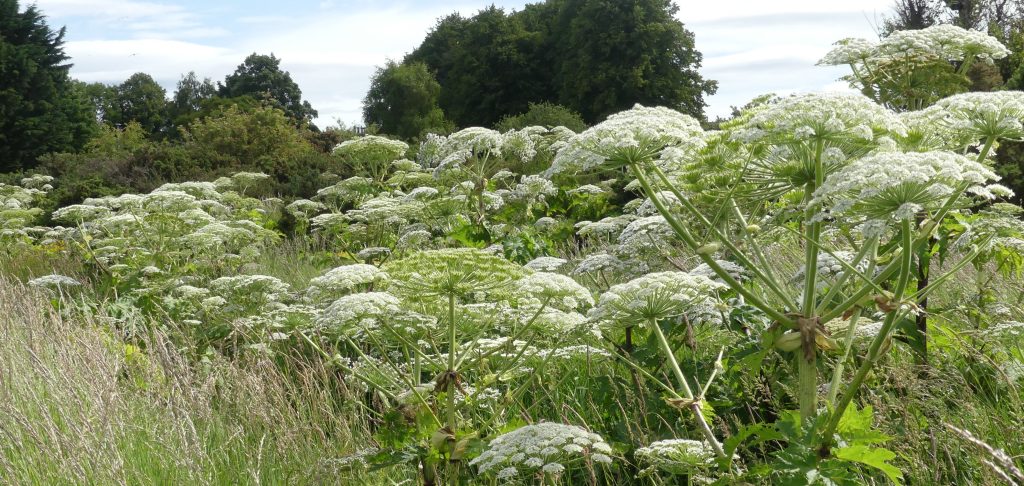
Giant hogweed
Spread
Unlike in Scotland, where giant hogweed can be prolific, there are currently very few confirmed locations of hogweed on PEI (which is great news!). All known areas are mapped and actively controlled each year.
Management
The use of chemicals to control invasive species is less common on PEI than in Scotland and it is unlawful to apply chemical treatment near a watercourse on PEI. There are many reasons for this, but one of the main factors is that PEI relies exclusively on groundwater for its drinking water.
Control of hogweed in these cases therefore involves manually digging up the plant and (ideally) its root system, making sure to cut flower heads off first. Plants are then stuffed into plastic bags and left to dry out in the sun for some time, before being taken to a waste disposal facility. As giant hogweed is less prolific than in Scotland, this labour-intensive process is manageable for the scale of infestations present.
Himalayan balsam
Spread
Did you know that PEI is known for its red soil? Its richness in iron-oxide (rust) gives it this colour – and it is also quite loose and sand-like in texture. It drains well and is prone to both compaction and erosion, meaning that plants such as Himalayan balsam can be particularly problematic.
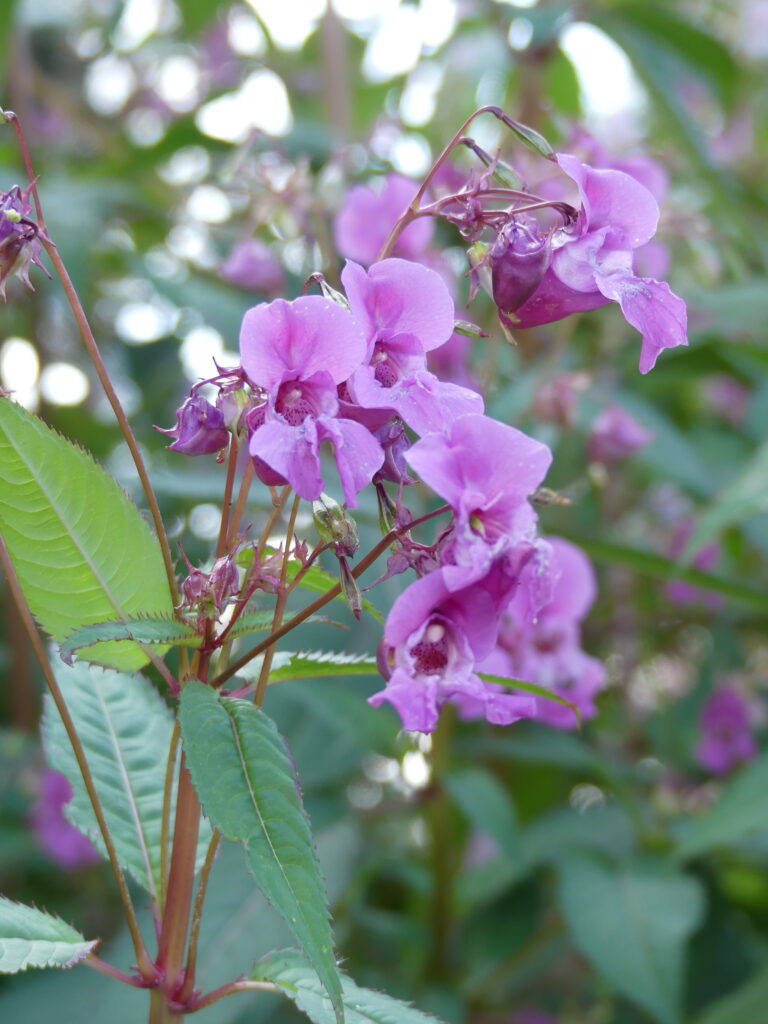
Similar to Scotland, Himalayan balsam is prolific across parts of PEI. Commonly found in roadside ditches and near bodies of water, balsam contributes to the ever-constant threat of erosion across PEI by crowding out native species and weakening banks by replacing deep and intertwined native root systems with its shallow and unstable roots.
Management
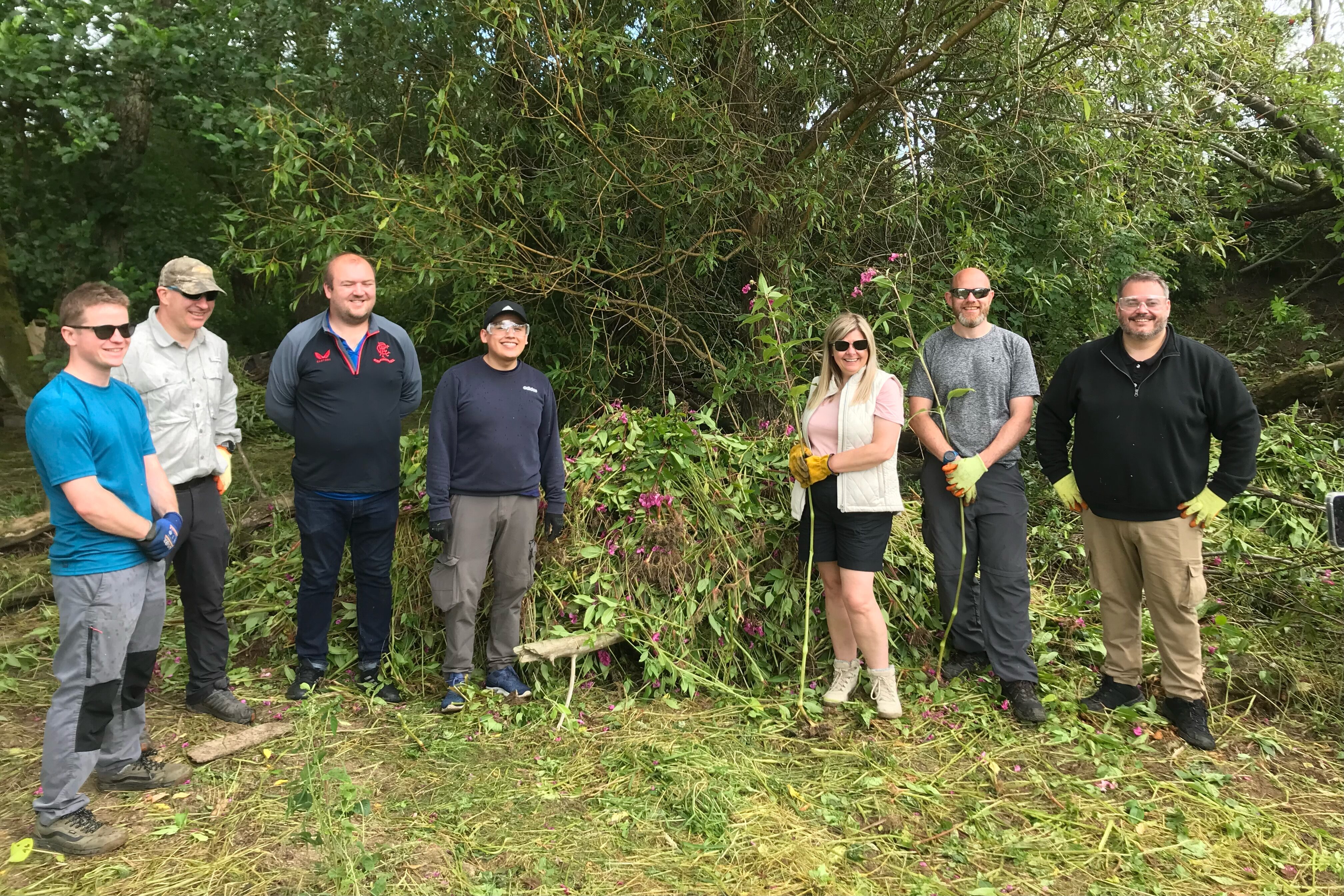
Ever tried Himalayan balsam pulling in Scotland? Well, you’d do almost the exact same thing in Canada! The primary control method on PEI for balsam is hand-pulling and (ideally) removing the entire root system before the plant flowers. However, instead of being left on-site to decompose, as we do in Scotland, plants in Canada are bagged, dried in the sun, and taken to a waste disposal facility to avoid unintentional spread or regrowth. Native species are often planted after balsam removal, to encourage quicker natural regeneration of the area and deter further growth of remaining invasives.
Japanese knotweed
Spread
Similar to some parts of Scotland, Japanese knotweed has significant coverage across PEI.
Management
As pesticides are less frequently used in invasive species control on PEI, the main control method is to cut, remove, and bag plants. Before plants have begun to flower, shears are used to cut the stem at the base. Once removed, the infested area (plus a clear buffer zone) is covered using a large black tarpaulin, which is staked into place and weighed down. This allows the sun to dry the upper layers of roots, stunting further growth.
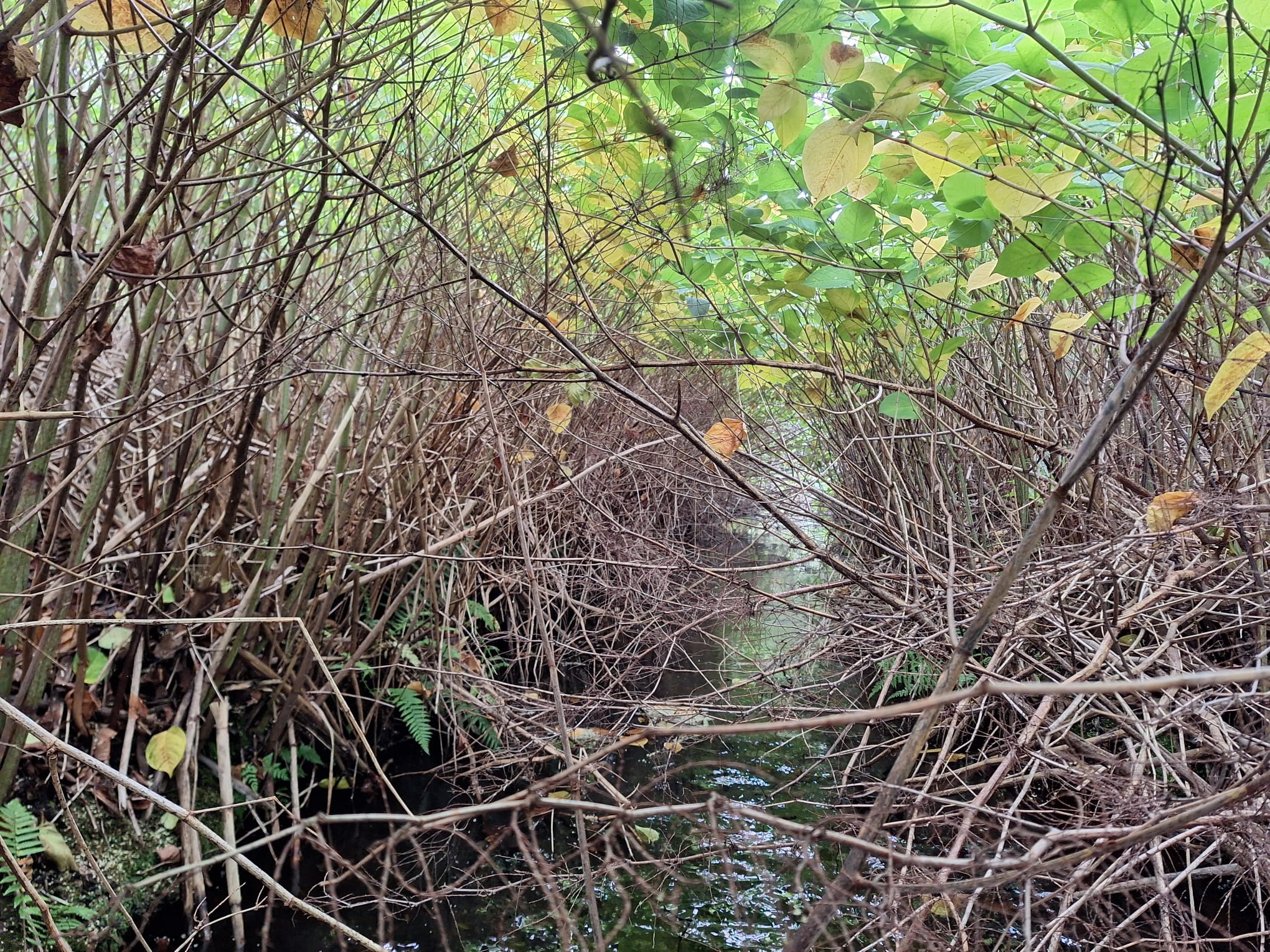
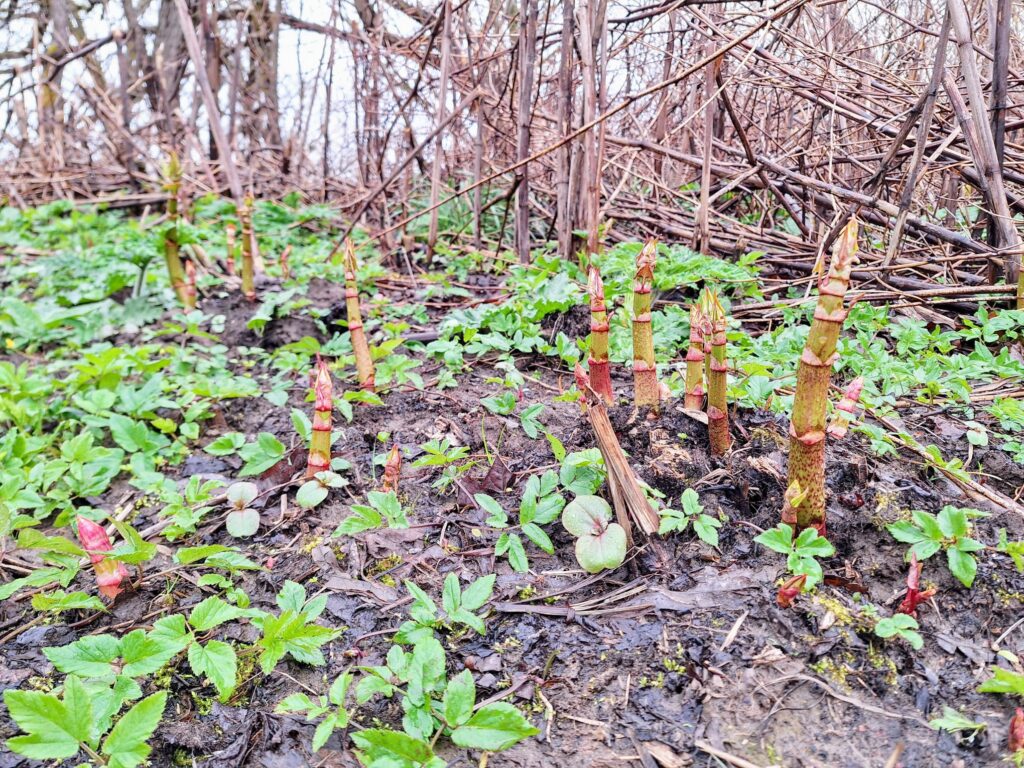
Removed plants are placed into black bags and left in the sun for several weeks to dry out. As knotweed can regenerate from the smallest slivers of live plant tissue, this step is critical to kill the cut materials. After drying, the bags are disposed of at a waste disposal facility. Control sites are often revisited later in the growing season to check for new growth.
Fully clearing an area of Japanese knotweed can take several years of consistent control effort – whether in Canada or Scotland. In the case of knotweed, control efforts without the use of chemical are expected to take around 10 years of consistent effort before an area is considered clear of Japanese knotweed.
Other invasive plants
Plants are not inherently invasive. Whether a plant is considered invasive or not will depend on where in the world you are, if the plant is native to the area, and if it outcompetes native vegetation or damages the local ecosystem in other ways. With this in mind, we can begin to understand why the same plant may be considered invasive in some parts of the world and not others.
You may notice a few familiar names below – while some of these species are native to Britain and contribute to healthy ecosystems here, they are regarded as non-native and invasive on Prince Edward Island.
Garlic mustard
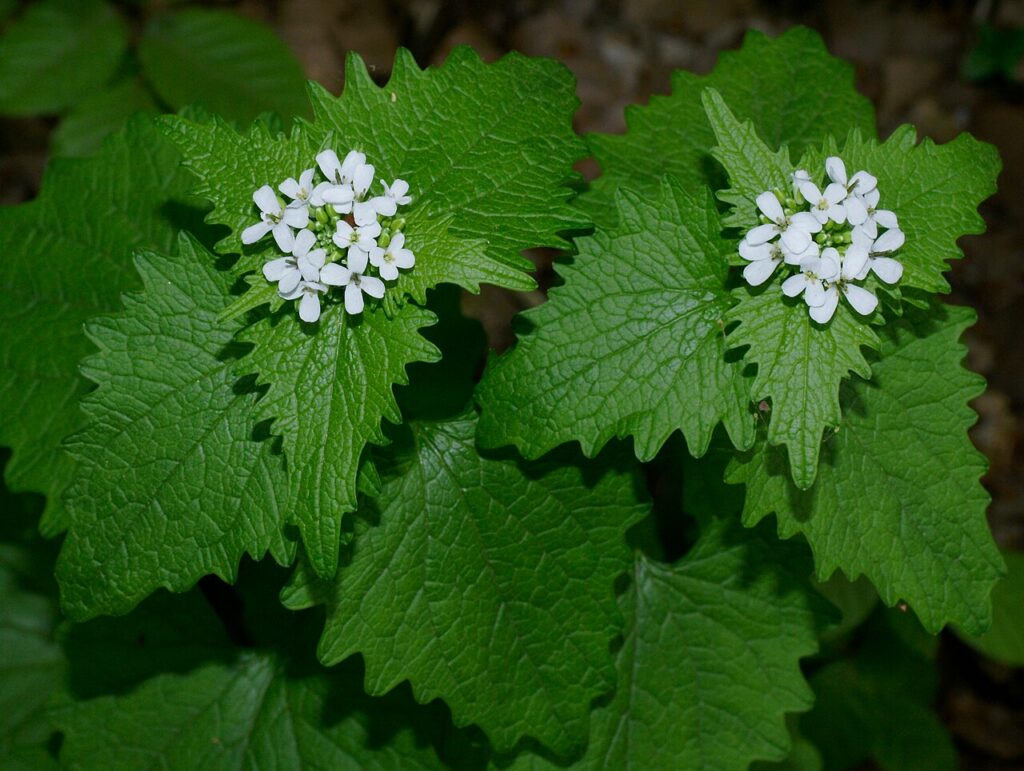
Garlic mustard (Alliaria petiolata) is native in Britain (with a widespread distribution through Europe, central Asia and North Africa) and is named after its distinctive smell when crushed. It is often found invading woodlands in Canada where its high shade tolerance allows it to grow in dense stands that eventually block out sunlight to native species. Common control efforts involve hand-pulling the plant, including the root system, in its first year of growth before it reaches maturity.
Bittersweet nightshade
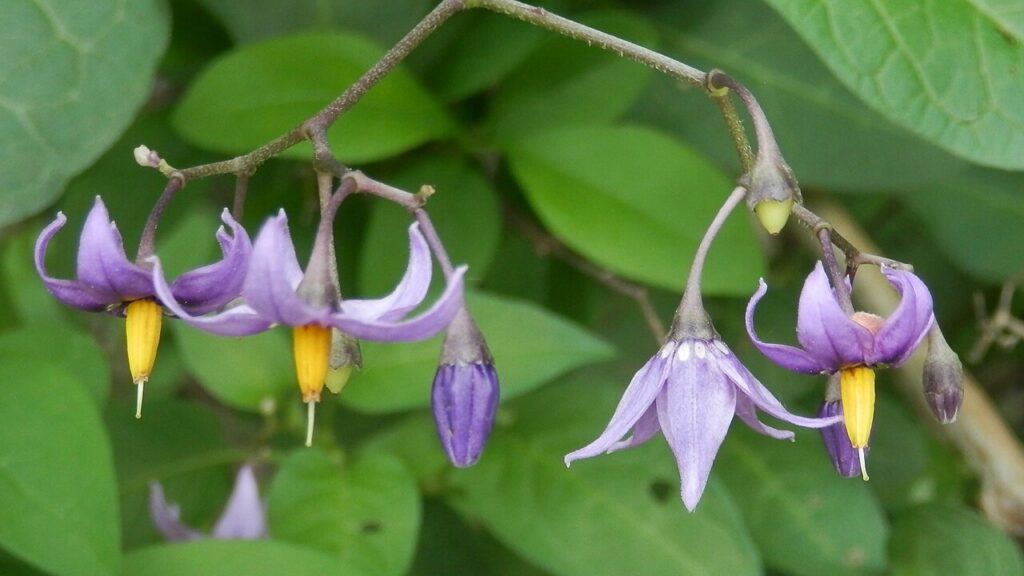
Bittersweet nightshade (Solanum dulcamara) is also native to Britain, with a widespread distribution through Europe and Asia. It was introduced to North America in the late 1800s and is considered an invasive weed. This vine has heart-shaped leaves and striking purple flowers and is often grows in riparian areas on PEI. It can lead to a number of issues here, including altered stream flow and increased sedimentation – becoming a serious threat to aquatic habitats. It also produces berries that are highly toxic to humans and most animals, making it an especially unwelcome invader. Control often involves a mix of pulling, cutting/digging, or covering with a black tarpaulin to prevent growth.
Wild cucumber
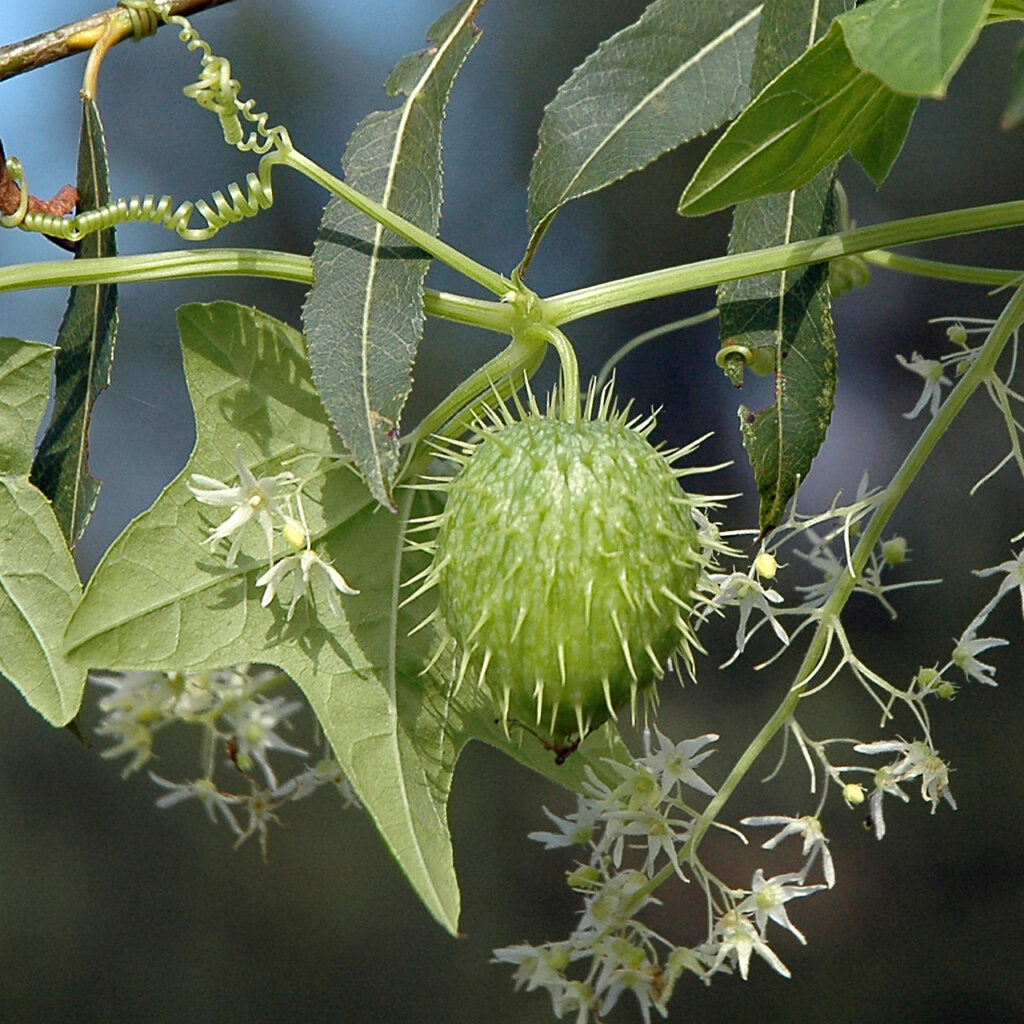
Wild Cucumber (Echinocystis lobata) is a widespread native species throughout North America – but it is considered an invasive species on Prince Edward Island (and in Europe). This vine produces distinctive fruits that look like spiky mini-cucumbers. It outcompetes native species for space, sunlight and nutrients, negatively impacting ecosystems. Control involves hand pulling the vines from native foliage.
A note on the American mink: Not Invasive Everywhere!
In Scotland the American mink is an invasive and non-native species which impacts populations of native critters such as water voles and ground nesting birds.
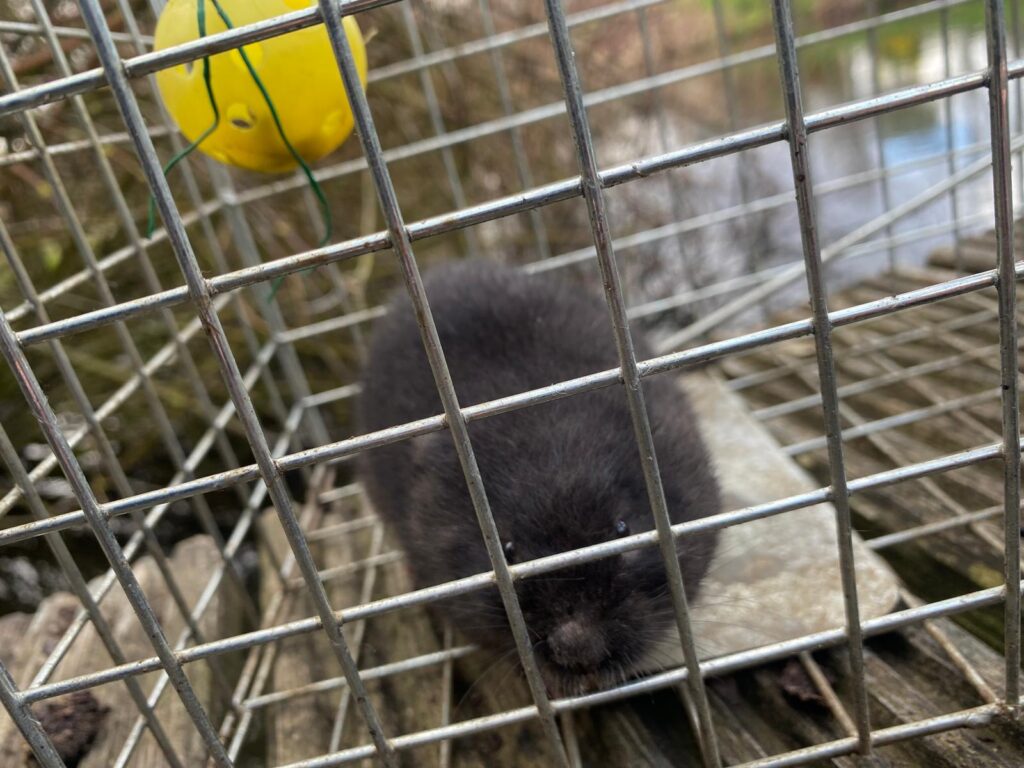
However, the American mink is not considered to be an invasive species on Prince Edward Island! There is some debate whether American mink are native or ‘naturalised’ on the island (i.e. they are non-native but have integrated into the ecosystem without causing harm) but, either way, they are not considered invasive or harmful.
While PEI has an interesting backstory as a hub for introducing wild game and non-native ornamental plants, and is now considered a highly altered landscape with the species makeup no longer resembling what it would have been hundreds of years ago, larger predators such as coyotes and great horned owls are present which are natural predators of mink and help to keep populations in check.

In terms of public opinion of American mink in Canada, I can only speak to my personal experience, however they appear to be viewed positively. They don’t threaten native species in the same way as they do in Scotland and so it feels really exciting to see one in the wild, as they can be quite elusive and difficult to spot – perhaps a bit like an otter or a pine marten in Scotland.
This goes to show how different animals and plants are often perceived in different lights, depending on the broader context, the environment they reside in and the impact they have within this environment.
Want to learn more about mink on PEI? Check out this article from locally renowned biologist and Director of PEI’s Forests, Fish and Wildlife division, Kate MacQuarrie.