The Scottish Invasive Species Initiative is working with the Port of Inverness and project volunteers to monitor mink traps at Inverness harbour, helping to protect local wildlife including ringed plovers and oystercatchers
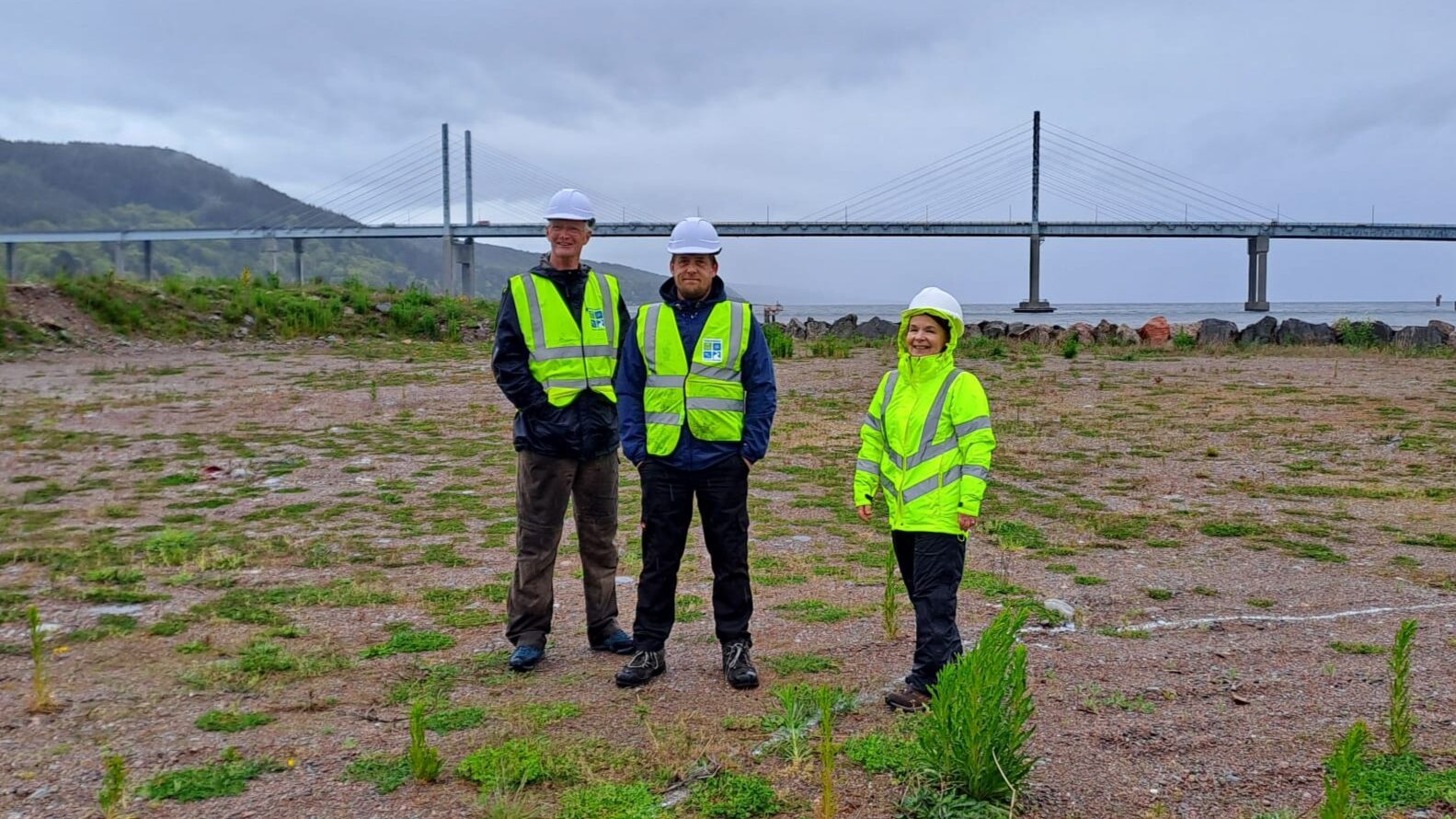
The SISI team for the Ness District has been working with the Port of Inverness to deploy live-capture traps around Inverness harbour. American mink have been spotted in and around the harbour, posing a serious threat to local wildlife.
Trudi and Niall met with Ailsa, General Manager of the Port, a few weeks ago to receive their safety induction and choose strategic locations to deploy the mink traps. Since then we have set up six mink traps on the site which will be monitored with the help of volunteers Matthew and Ewan. Only live-capture traps will be used, so any non-target species that are captured can be released unharmed.
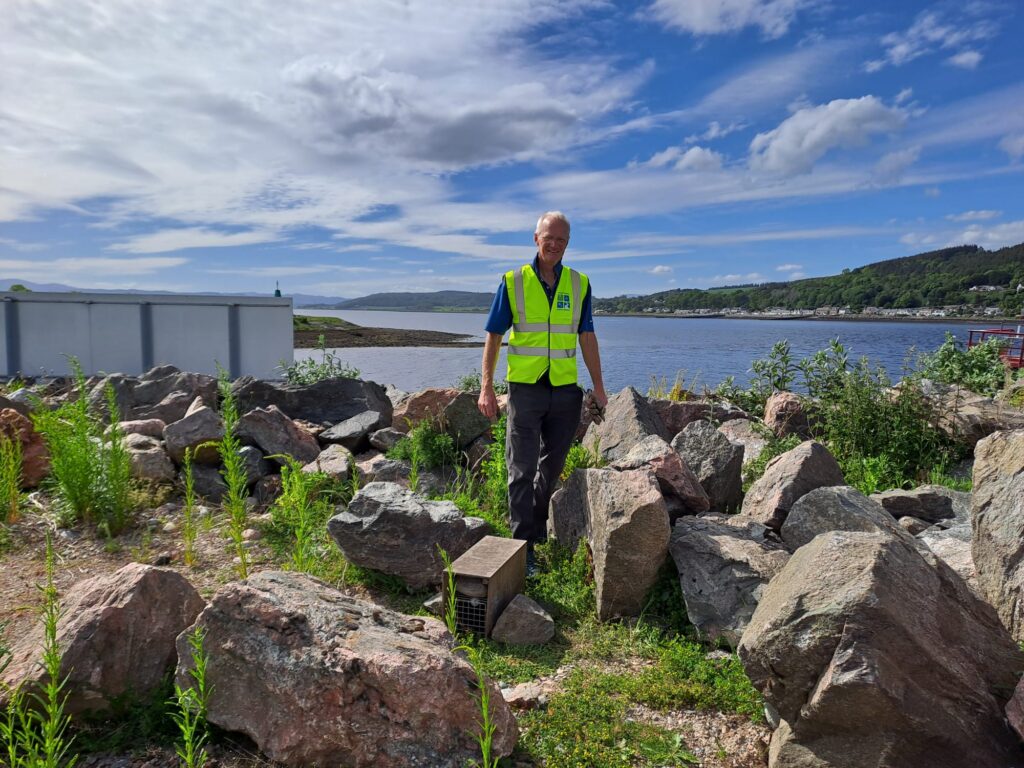
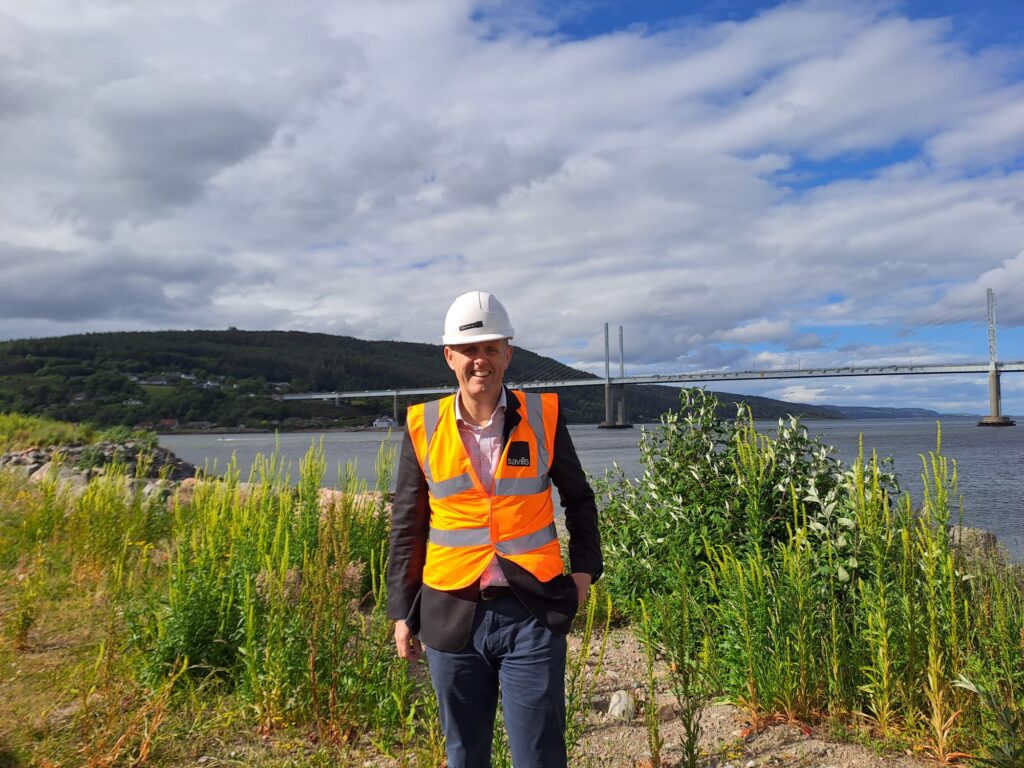
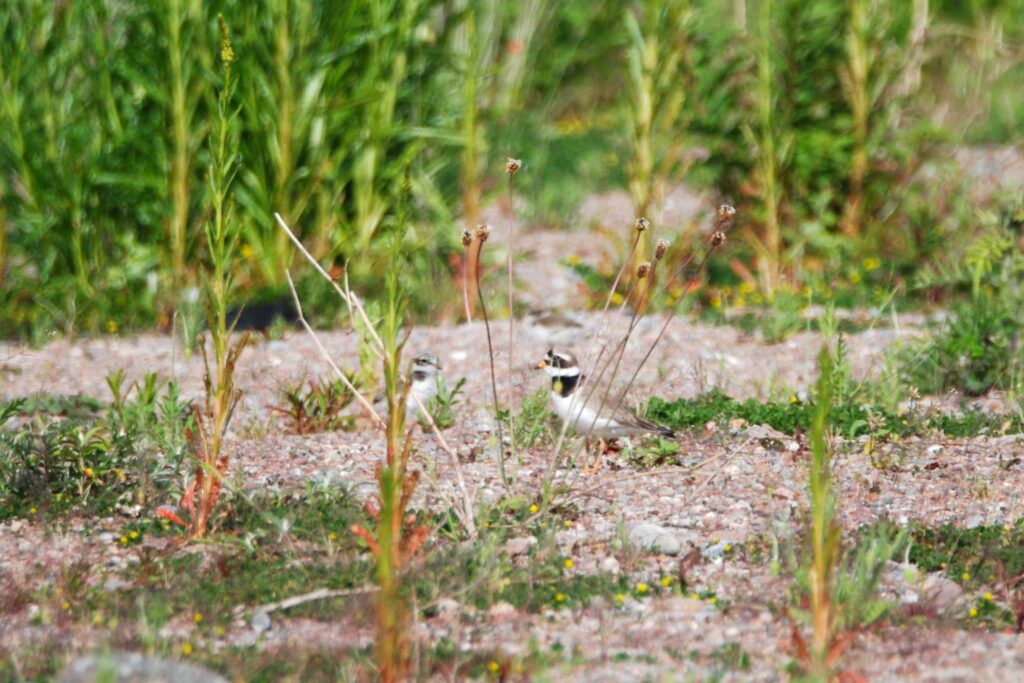
During the safety induction the team was delighted to spot a female ringed plover with four chicks. The team also saw two families of ringed plovers when they returned to deploy traps.
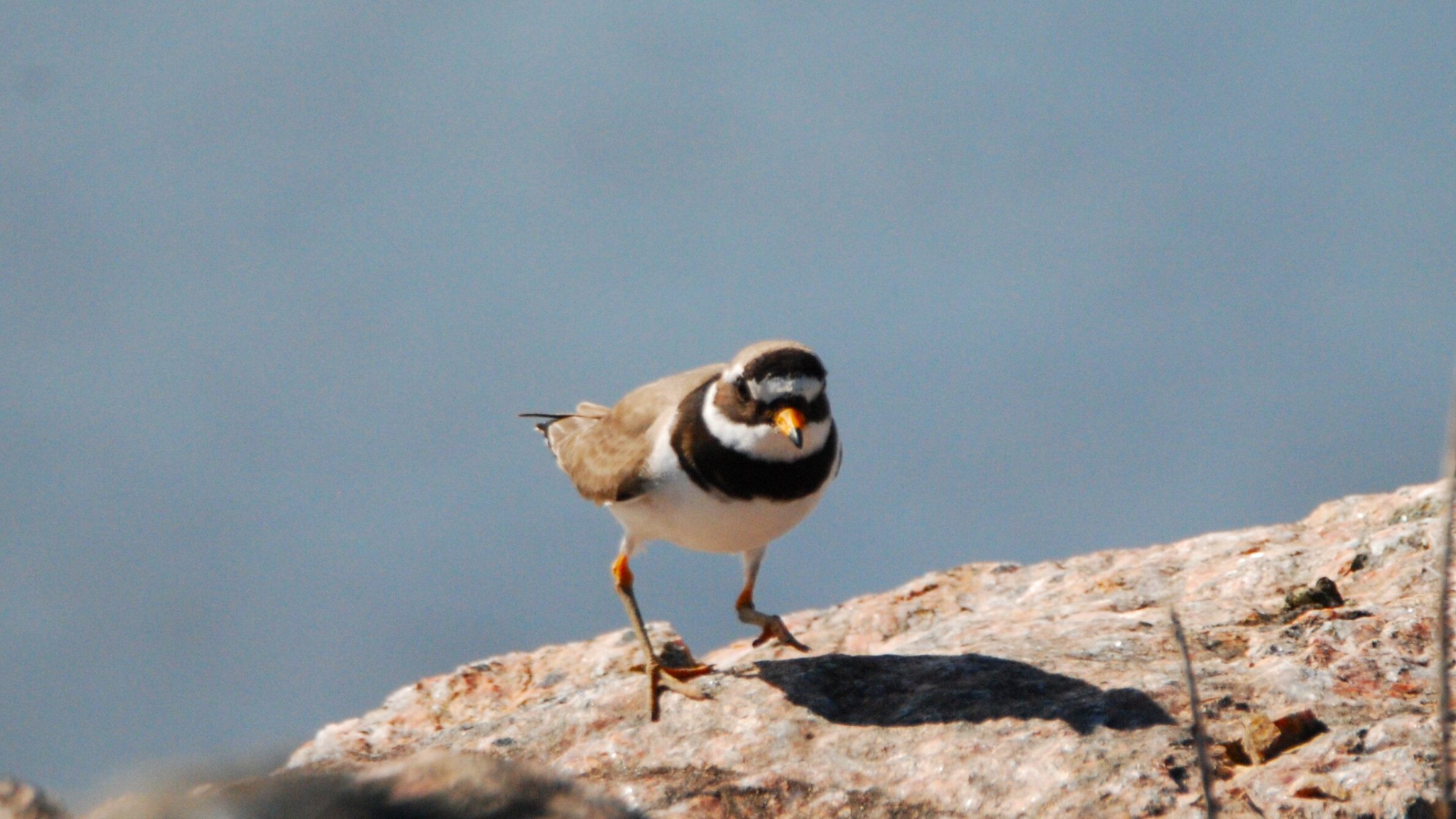
There are several oystercatchers and ringed plovers nesting on site which would be very vulnerable to predation by the invasive non-native American mink. By monitoring traps and suppressing mink populations, the team and volunteers are helping to protect local wildlife in the harbour and give the oystercatcher and plover chicks a better chance to thrive and reach adulthood.
Ringed plovers are a red-listed species in the UK. They nest in the open in coastal areas, in a hollow called a ‘scrape’, which makes them very vulnerable to mink predation. Likewise, oystercatchers are an amber-listed species and nest in the open in both coastal and inland areas.
It can be challenging to monitor and trap American mink in urban environments so we are very pleased to get the traps deployed at this location. Thank you to the Port of Inverness team for all their help – and welcome to new volunteers Ewan and Matthew!