NatureScot has published an ambitious plan to prevent, detect, eliminate and control new and existing invasive non-native species in Scotland
Invasive non-native species (INNS) are a major cause of nature loss in Scotland, affecting important ecosystems like islands, temperate rainforests and peatlands, and iconic species such as puffins, water voles and red squirrels.
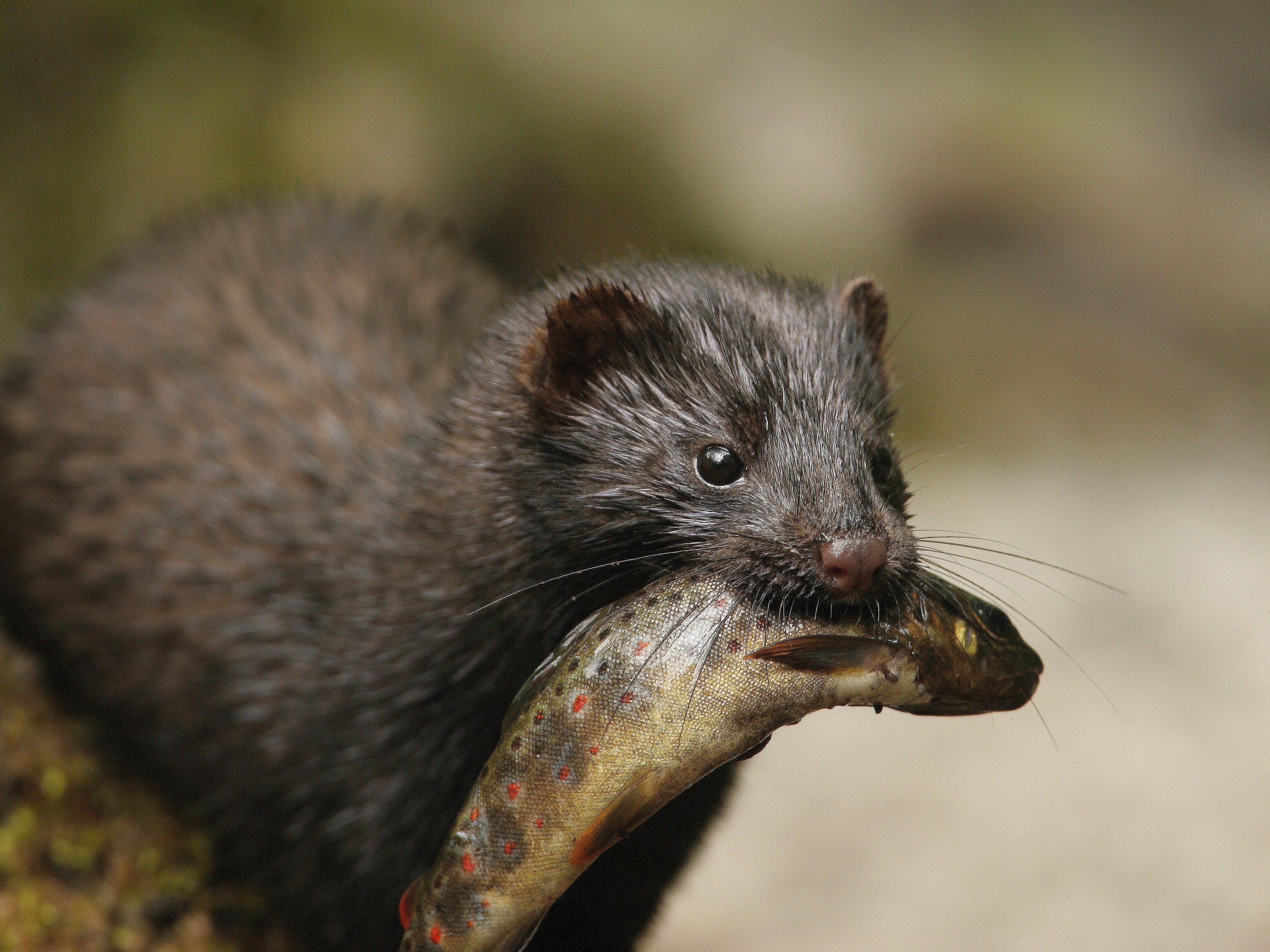
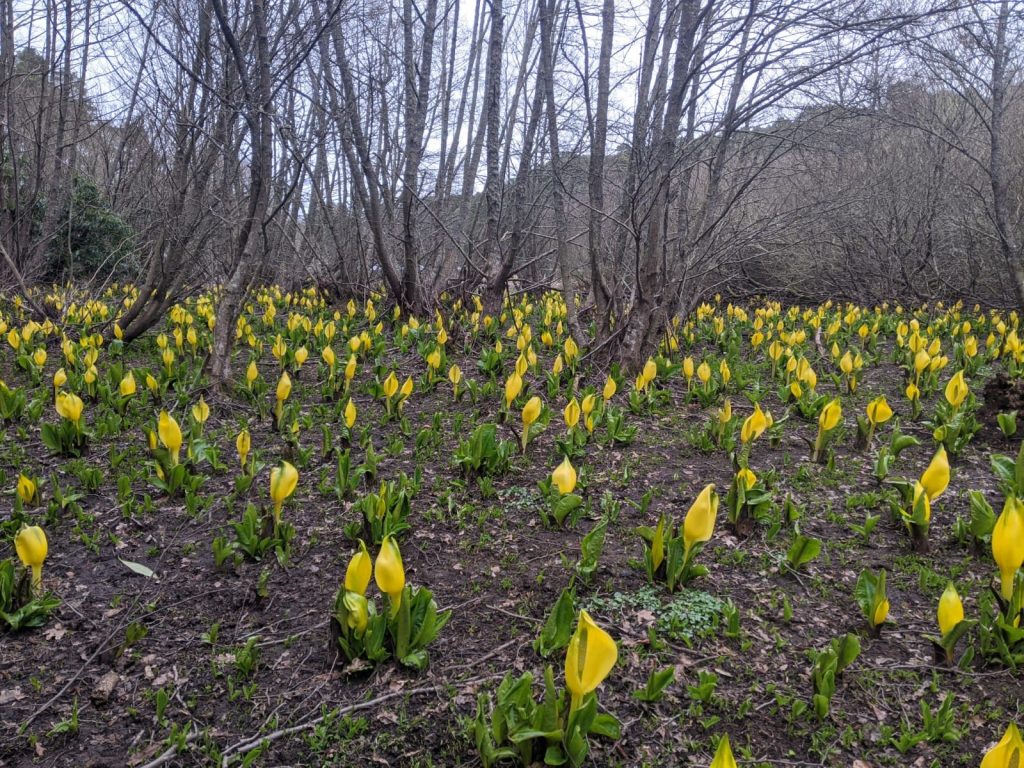
Invasive species also affect our economy and are estimated to cost the country at least £500 million a year. Agriculture and forestry in particular bear the burden of these costs, as well as the construction, tourism and transport industries.
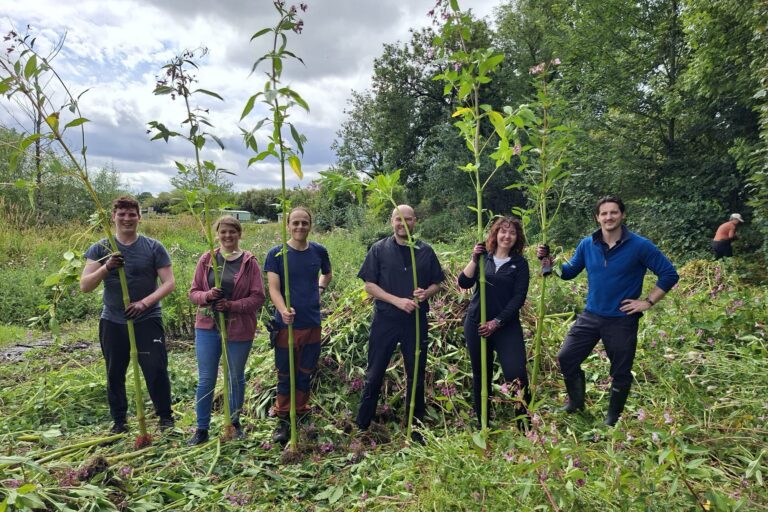
Climate change is predicted to increase invasive species in Scotland even more in the future. Invasive species can also amplify the effects of climate change – for example, Himalayan balsam make riverbanks more vulnerable to erosion during floods.
To tackle these impacts, the Scottish Action Plan for Invasive Non-Native Species 2026-2032 sets targets to reduce the rates of new and established INNS by at least 50% compared to 2000 levels, as well as to eradicate or control INNS in priority sites such as islands.
NatureScot Chair, Dr Colin Galbraith, said:
“Invasive, non-native species have an enormous effect on Scotland’s nature. They contribute to the climate emergency and are one of the biggest threats to Scotland’s spectacular native wildlife. It’s crucial we work together to stop their spread, and this action plan lays out a roadmap to do just that. There has already been great work by projects such as the Scottish Invasive Species Initiative and Peatland ACTION, but we need to step up the pace even more to keep Scotland’s nature healthy and able to deal with the effects of climate change.
“The priority for tackling INNS is preventing their introduction and spread in the first place. This is more cost effective and less environmentally damaging than tackling invasions once they have happened. We all have a responsibility to help stop the spread, whether it’s checking your boat or avoiding planting INNS in your garden – every action counts.”
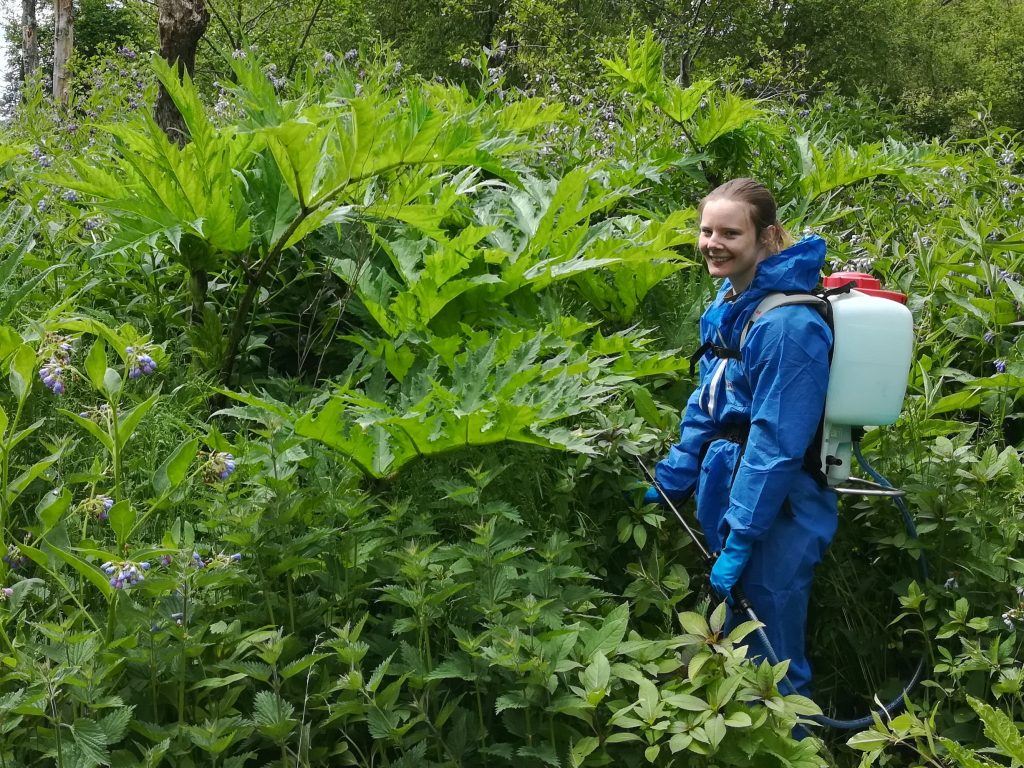
The Scottish Invasive Species Initiative is one of the many projects and organisations already working hard to tackle INNS and protect our native wildlife and environments in Scotland.