New research led by The University of Stirling, in partnership with Newcastle University, has shown that Himalayan balsam significantly weakens riverbanks in winter
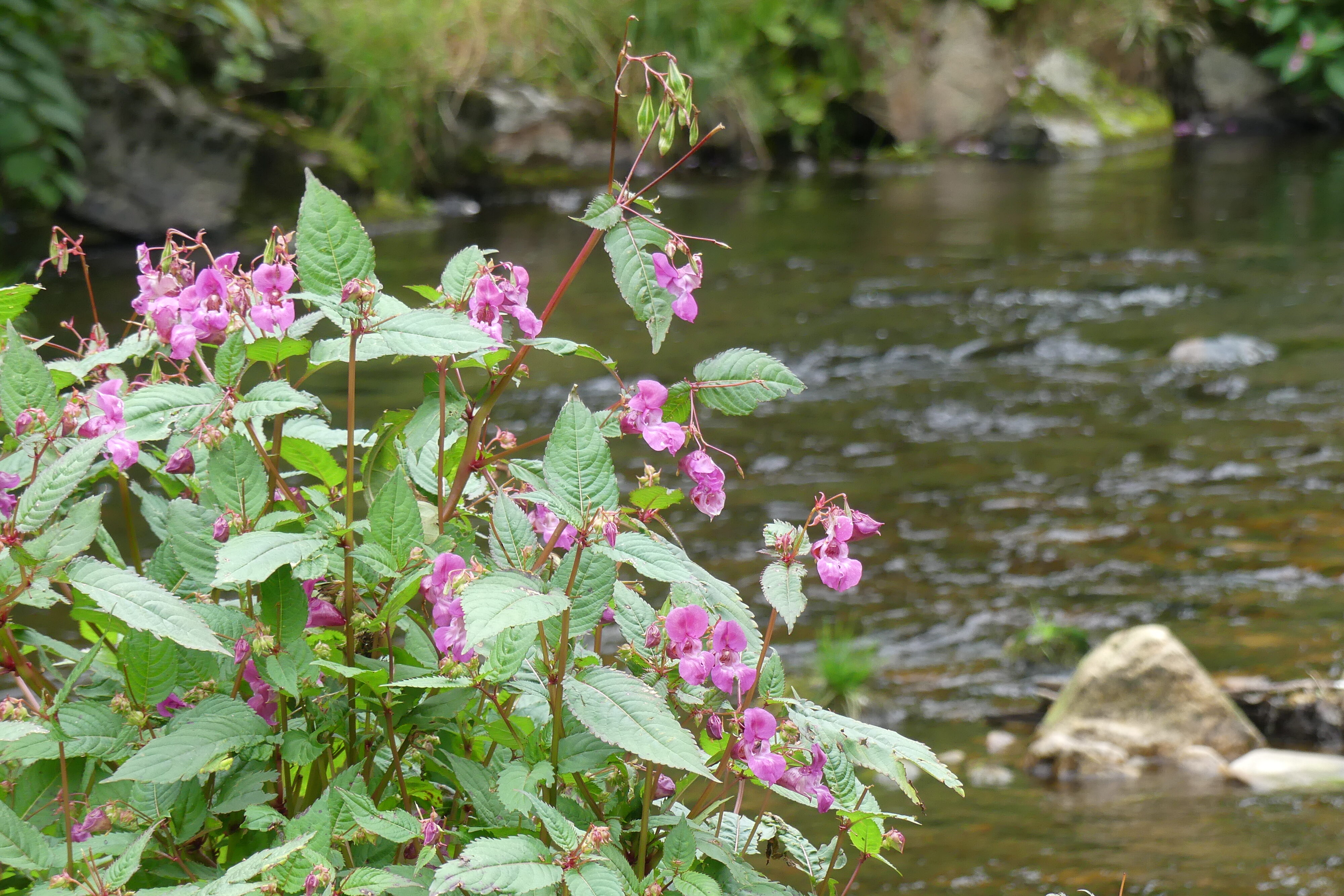
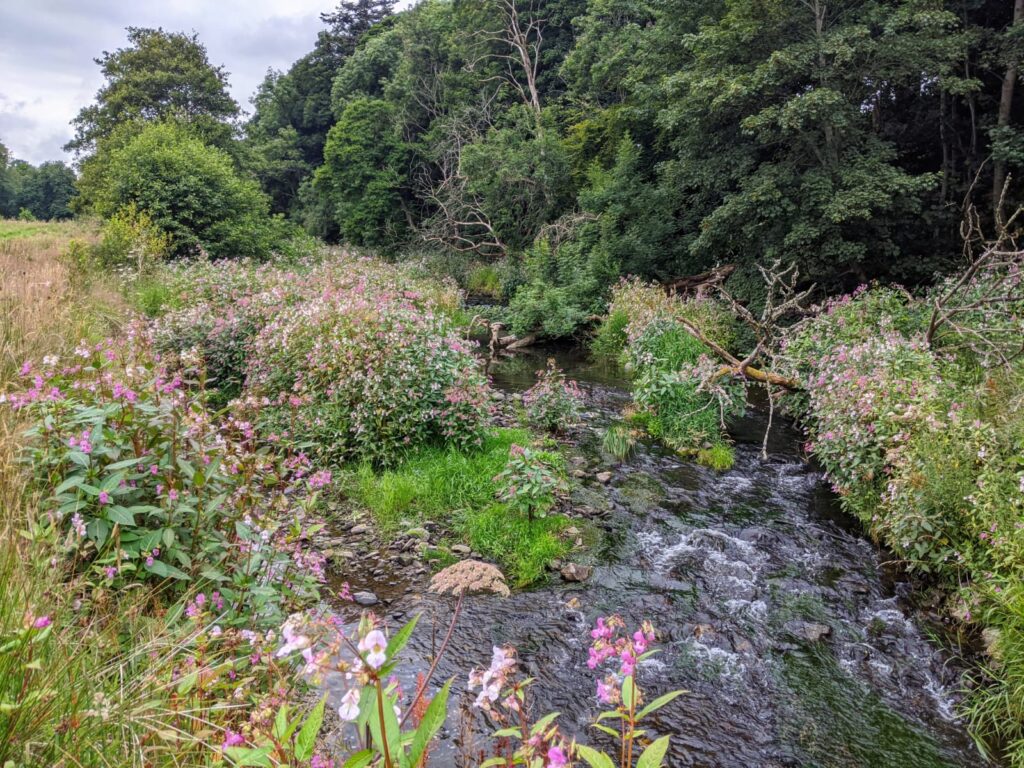
Himalayan balsam is a prolific invasive non-native species in Scotland. It grows in dense stands, shading and crowding out native plants, and spreads readily along rivers and waterways where the seeds are carried along and spread by the current.
New research carried out by The University of Stirling, in partnership with Newcastle University, has shown that this invasive non-native plant significantly weakens riverbanks over winter, making them more susceptible to erosion. By outcompeting native plants in the summer months and then dying back completely, Himalayan balsam makes invaded riverbanks more vulnerable to bank erosion during periods of high water-flow.
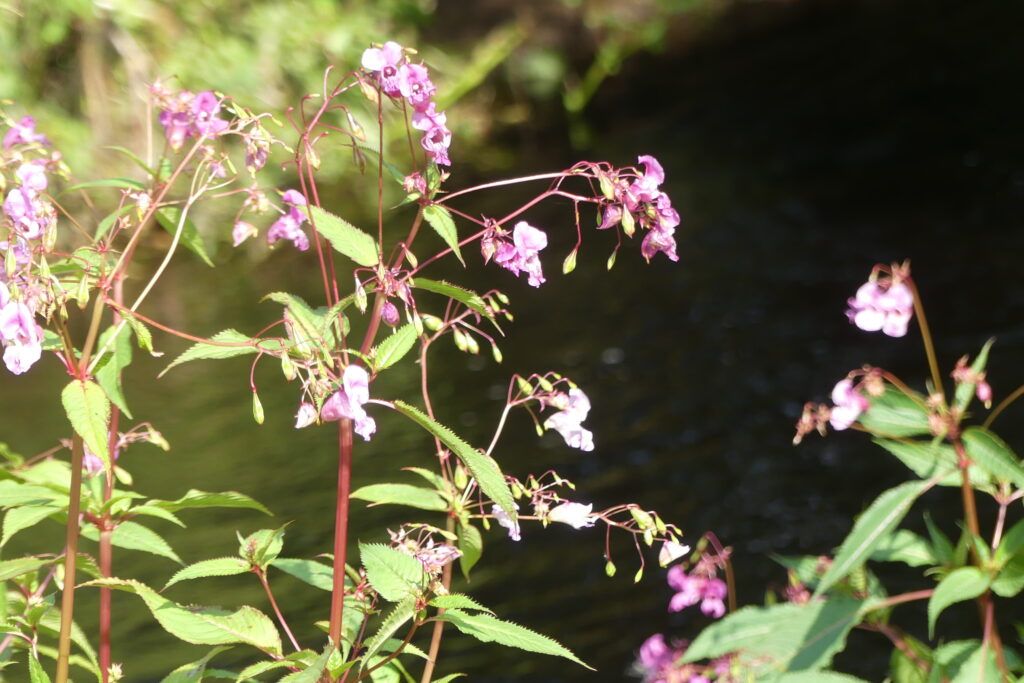
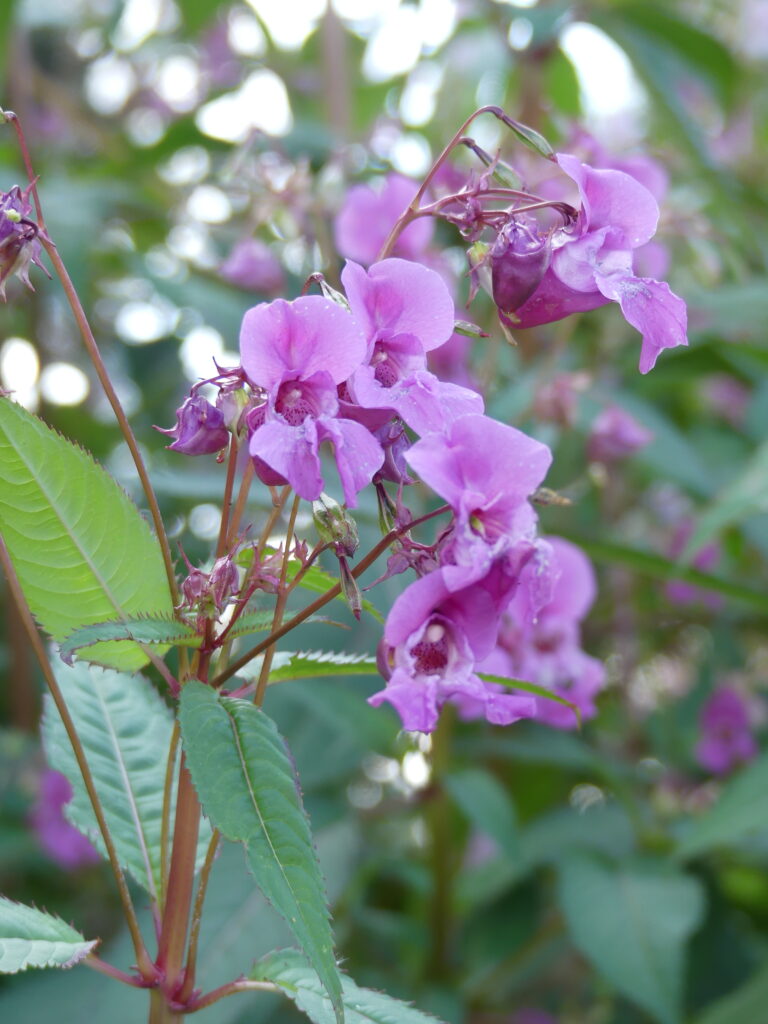
The study provides evidence that, by suppressing native vegetation in summer, Himalayan balsam can have far-reaching impacts on our rivers and ecosystems. When riverbanks erode, sediment enters the water which damages habitats, harms wildlife and alters the topography of rivers.
To find out more, visit the University of Stirling’s website to read their news article covering this research.
Scottish Invasive Species Initiative Interviewed by STV News
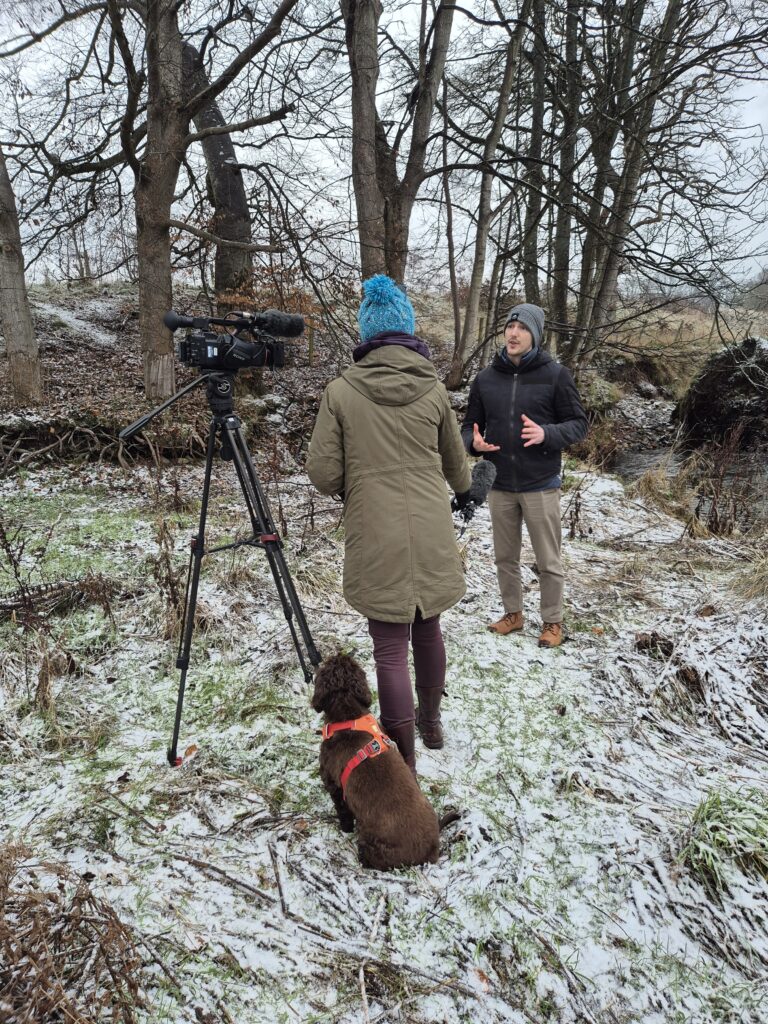
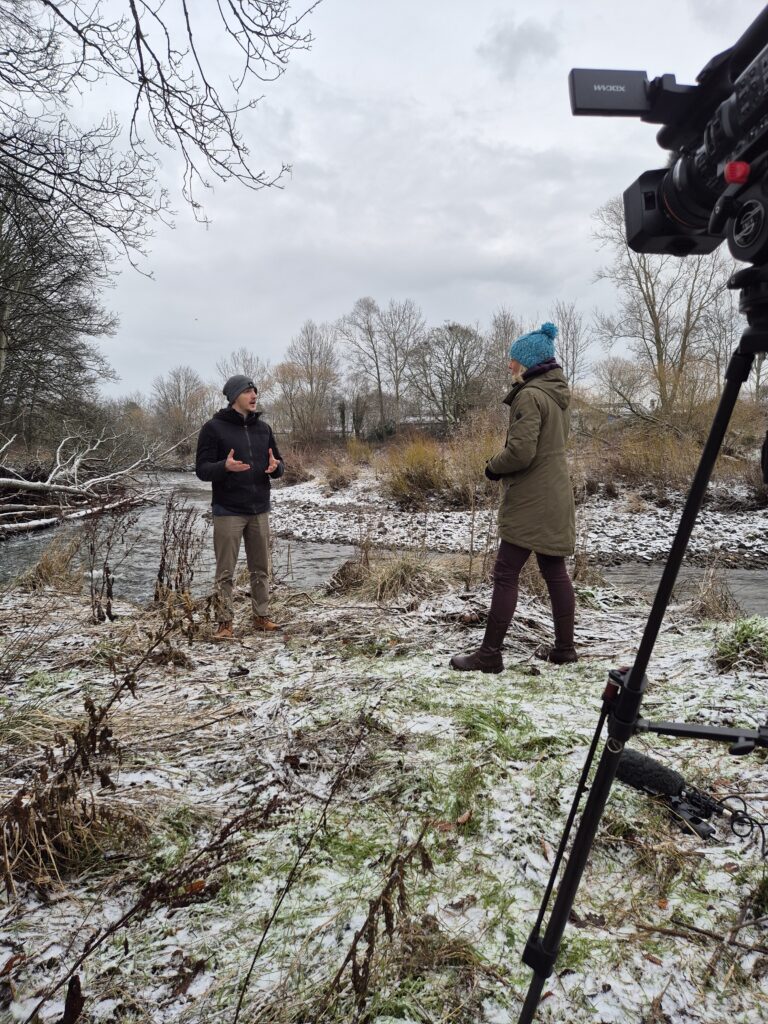
Shortly after the study was published, we were joined by STV News on the banks of the River Almond to discuss how this research relates to our work tackling invasive non-native species across northern Scotland. The Initiative targets five invasive non-native plant species including giant hogweed, Japanese knotweed, American skunk cabbage, Himalayan knotweed – and Himalayan balsam.
The research carried out by The University of Stirling and Newcastle University provides scientific evidence of the impacts we are seeing anecdotally on our rivers – and shows that invasive non-native plants can have far-reaching consequences, beyond their direct impacts on native plant species.
To tackle these species in the long term, it is important to work strategically and on a catchment-wide scale. Find out more about our invasive plant project, and how you can help, here.